
 عربى
 English
 Español
 Français

Smart Compartment Layout. The L200 features five separate compartments within a single clamshell she...
See DetailsDate:Oct 16, 2026
Content
Jiangyin Ruihesheng Paper Products Co., Ltd. has introduced a dedicated program for restaurant chains that need to bulk order eco-friendly packaging solutions from a single, reliable manufacturer. The program covers takeaway boxes, burger boxes, trays, bowls, cups and pizza boxes, all produced from paper and made to the same specification across every order.
The reason is practical. A chain with dozens or hundreds of outlets cannot afford a box that fits in one city and fails in another. It needs the same dimensions, the same coating and the same print colors on the hundredth pallet as on the first. Ruihesheng built the program around that expectation.
The company, based in Qingyang Town, Jiangyin City, Jiangsu Province, has focused on environmentally friendly paper catering packaging since 2004. Its factory sits about 100 kilometers from Shanghai, Nanjing and Hangzhou, close to the expressway network that links the Yangtze River Delta. For overseas buyers, that location shortens the path from production line to port.
This announcement is aimed at procurement managers, franchise operators and packaging distributors who want a long-term supply partner rather than a one-off vendor.
Pressure on single-use plastic now comes from three directions at once: regulators, landlords and customers. For chains that sell into Europe, the tightening is already in force. Under the EU Packaging and Packaging Waste Regulation, food packaging containing PFAS above set limits has been barred from the EU market since 12 August 2026. The regulation also sets requirements for recyclability, labeling and conformity documents.
Chains selling outside the EU feel the effect too. Many global brands apply one packaging standard across all markets to keep purchasing simple, so a rule written in Brussels often becomes a company-wide policy.
Customers add their own pressure. Diners notice what their food arrives in, and a paper box with a clean, branded finish tells them something about the kitchen behind it. Paper also removes the awkward conversation about foam and rigid plastic that many operators would rather avoid.
Ruihesheng was early on this shift. The company's R&D department pioneered "Replacing Plastic With Paper" products, with particular attention to multi-compartment paper lunch boxes. That experience now sits behind its bulk offering for restaurant groups.
Chains lose time when they split one menu across five suppliers. Different lead times, different quality standards and different invoices all add up. Ruihesheng's catalog is organized so that a single purchase order can cover most of a restaurant's takeaway needs.
Ruihesheng also supplies paper cups, paper bowls and corrugated outer cartons. A chain can therefore pack the meal, the drink and the shipping carton from the same source, which makes inventory planning easier for the central kitchen.
A bulk program is only as credible as the factory behind it. Ruihesheng has operated since 2004 and describes its annual production capacity as running into the billions of units. That scale matters when a chain launches a promotion and needs three times its usual volume within weeks.
Quality control is built into every stage of production. From raw materials to finished paper boxes, each process is monitored by the company's QC department and recorded in full. Finished goods go through initial, regular and random inspections before loading, so a problem is caught at the factory instead of in a customer's hands.
The company holds the following certifications:
For a procurement team, these documents shorten the supplier approval process. Food safety and traceability questions that normally take weeks of correspondence can be answered with paperwork already on file. Ruihesheng's products have also been supplied to restaurants, schools and hospitals, settings where hygiene standards are checked closely.
A chain's packaging is part of its signage. When a box leaves the store, it carries the brand into offices, cars and living rooms. Ruihesheng supports custom logo printing, so each outlet hands over the same look, whether it is a flagship store or a franchise kiosk.
The company also handles artwork design and structural design. If a menu item needs a different compartment layout, a deeper base or a tighter lid, the engineering team can develop the structure and move it into production. This is useful for chains that run a signature product, such as fried chicken, sushi or salad bowls, that off-the-shelf boxes do not fit well.
Consistency matters more than variety in a bulk order. Once the artwork and structure are approved, they stay fixed, so a reorder six months later matches the previous batch. Restaurant groups avoid the slow drift in color and size that often appears when production is handed between suppliers.
Ruihesheng keeps the process short and transparent, so buyers know what happens next and when. The usual path looks like this:
| Stage | What happens | What the buyer provides |
|---|---|---|
| Inquiry | The sales team reviews product type, sizes and volume | Menu items, target sizes, estimated quantities |
| Design and sampling | Structure and artwork are prepared, and samples are made | Logo files, brand colors, design preferences |
| Approval | The buyer tests samples with real food | Feedback on fit, leak resistance and print |
| Production | Full-scale manufacturing with recorded QC checks | Confirmed purchase order |
| Inspection and loading | Initial, regular and random inspections before shipment | Shipping instructions and destination |
| Delivery | Cartons are packed and shipped to the buyer | Receiving details and document requirements |
The sampling stage is worth taking seriously. Testing a box with the actual dish, at the actual serving temperature, reveals problems that a catalog photo never will.
Any supplier should be able to answer a few direct questions before a chain commits to volume. Ruihesheng welcomes them, and buyers can use the list below with any manufacturer they are evaluating.
Chains should also decide early how they will tell customers about the switch. Paper packaging with clear, accurate disposal guidance builds trust, while vague green claims can invite criticism. A supplier that documents its materials makes honest communication much easier.
Restaurant chains that want to bulk order eco-friendly packaging solutions do not need to rebuild their supply chain to do it. They need a manufacturer with proven capacity, documented quality control and the willingness to design around their menu. Ruihesheng offers all three, backed by more than two decades of experience in paper catering packaging.
To begin, send the team your product list, preferred sizes, estimated monthly volumes and brand artwork. Ruihesheng will recommend suitable structures, prepare samples and outline a supply plan that fits your outlets and your timeline. Buyers who already know the format they want can start by reviewing the multi-grid clamshell box range and wholesale options and request a sample from there.
Paper packaging is no longer a niche choice for restaurants. For chains planning their next supply contract, it is quickly becoming the standard, and Ruihesheng is ready to supply it at scale.
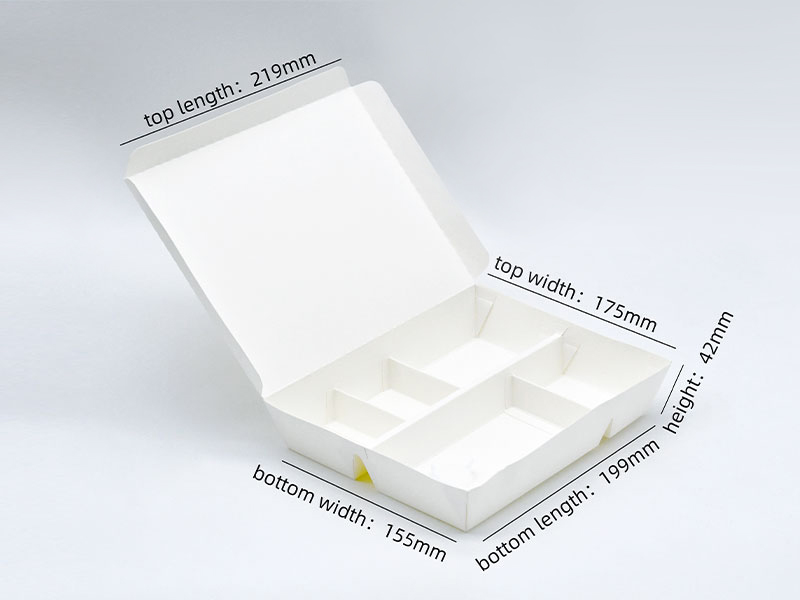
Smart Compartment Layout. The L200 features five separate compartments within a single clamshell she...
See Details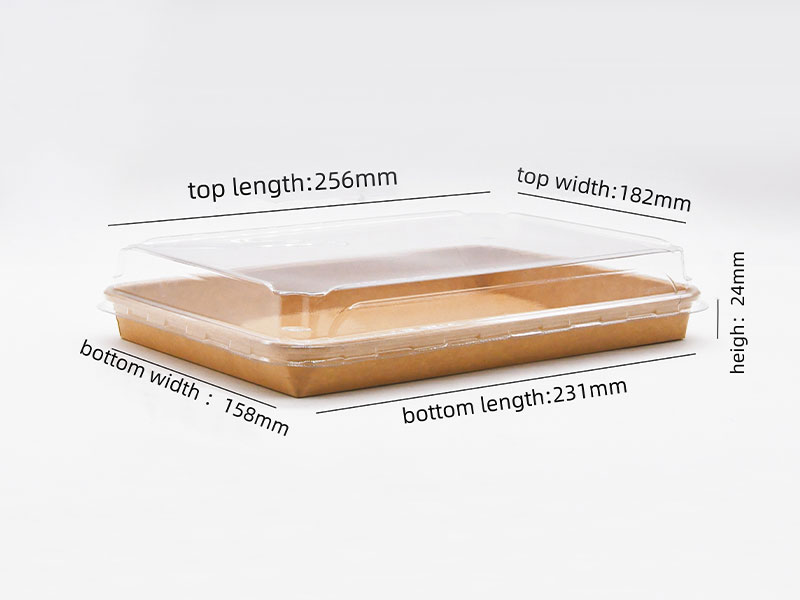
Introducing Eco-Friendly Rolled-Edge Paper Food Tray—thoughtfully designed for sustainability withou...
See Details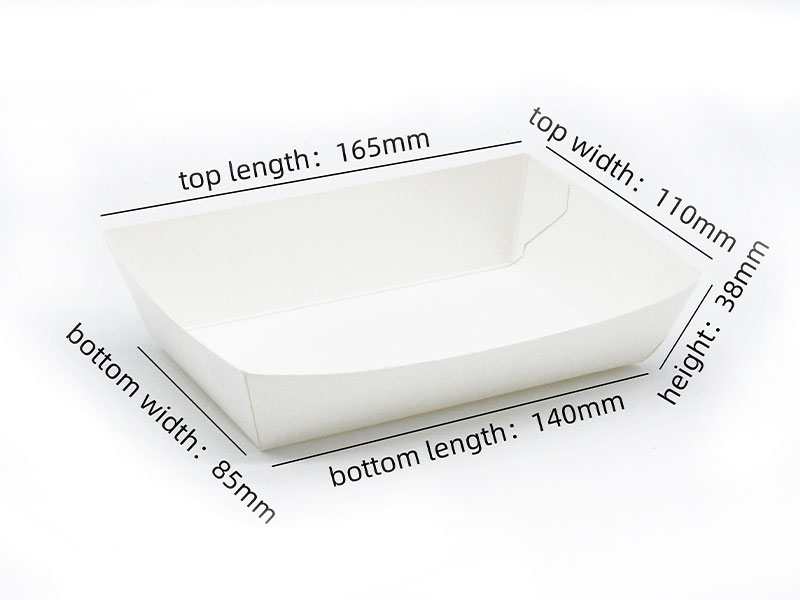
The 100ml White Paper Boat Tray is a small tray for pastries, cookies, desserts and bite-size snacks...
See Details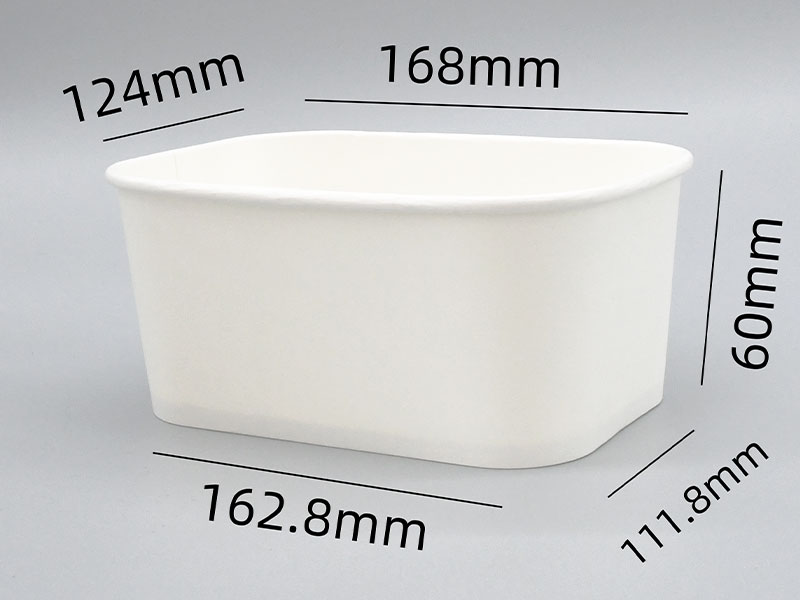
Sized to anchor a shared meal rather than a single portion, the 1000ml Large-Capacity Deep-Wall Fami...
See Details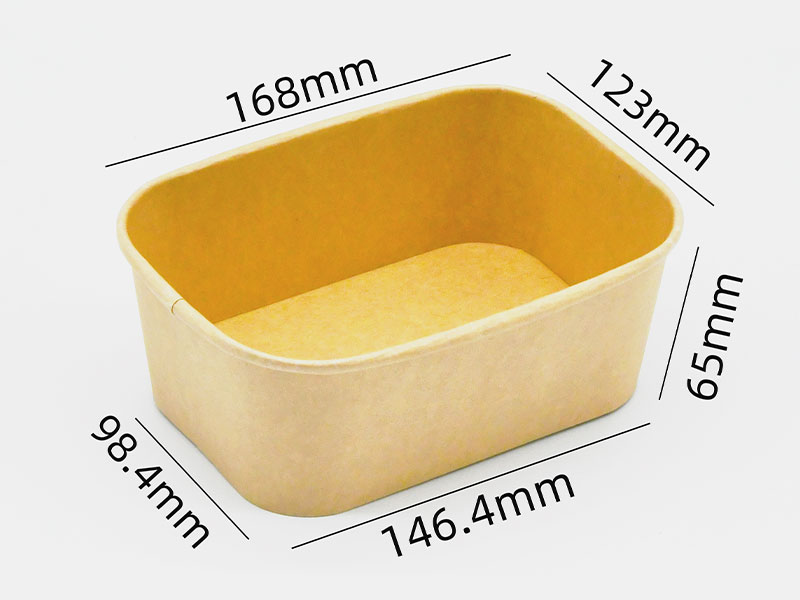
The 880ml Mid-Deep Paper Bowl for Fried Rice & Salads sits just under a full litre, giving wok-t...
See Details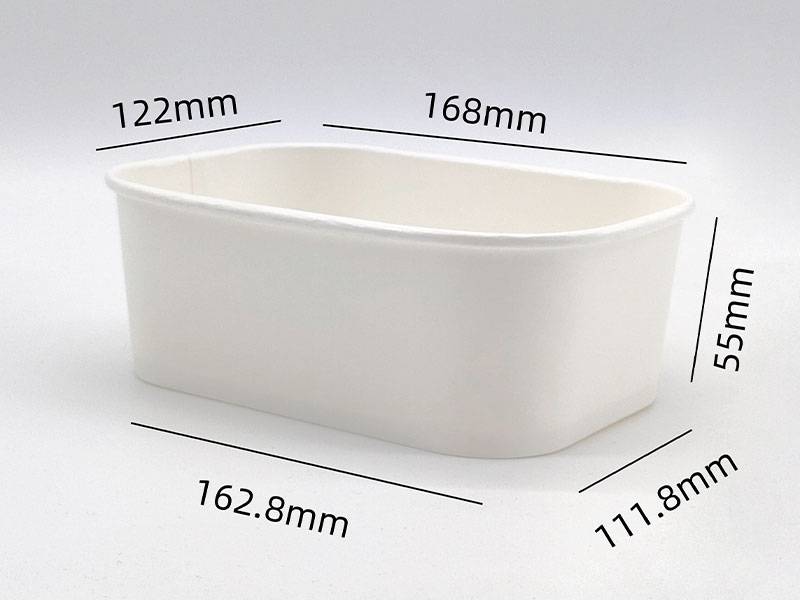
Rather than following the tall, narrow profile common to noodle bowls, the 750ml Wide-Base Paper Bow...
See Details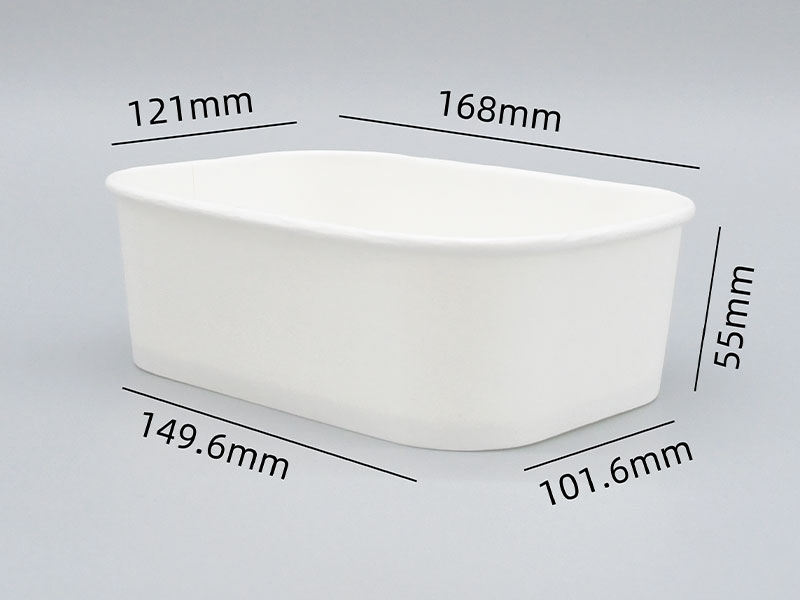
Most combo-meal orders land somewhere between a light snack and a full family portion, and the 650ml...
See DetailsPackaging With Purpose
At Ruihe Sheng, we are committed to creating truly compostable, renewable, and low-carbon paper packaging solutions. From material selection to production processes, we fully practice the concept of sustainability - using FSC certified paper materials, plant-based ink and innovative algae coatings, and supporting solar energy systems and zero wastewater treatment facilities in the production process. We also actively participate in the European Industrial Composting Network, supporting brands to achieve green packaging implementation worldwide. Paper Food Containers Factory and Food Grade Paper Packaging Manufacturer in China.
contact details
Address: No. 330 Jingyang South Road, Qingyang Town, Wuxi City, Jiangsu Province
TEL: +86 0510 86510905
Whatsapp: +1 6477091788
news
If You Are Interested In Our Products, Please Consult Us
