
 عربى
 English
 Español
 Français

The Grab-and-Go Snack Boat Box is a versatile, general-purpose paper tray designed to serve a wide v...
See DetailsDate:Nov 16, 2026
Content
Walk into a busy bakery at 8 a.m. and the packaging is already doing quiet work: keeping croissants crisp, separating a warm sausage roll from a cream tart, and making a loaf of sourdough easy to carry home. The best bakery packaging does not call attention to itself. It simply helps the product arrive in the condition the baker intended.
After more than twenty years supplying paper-based food packaging to bakeries, cafés and restaurant chains, we have seen the conversation shift. Packaging is no longer a last-minute purchase at the back of the order sheet. It is part of the menu, part of the brand and, increasingly, part of the sustainability story that customers ask about at the counter.
Fiber-based packaging has moved from a niche preference to a default expectation. Bakeries are asking for FSC-certified paper, plant-based inks and coatings that do not compromise recyclability. The reasons are practical as well as environmental: paper feels right in the hand, it prints well, and it can be recycled in many municipal systems.
Regulation is accelerating the shift. In Europe, extended producer responsibility fees and the Packaging and Packaging Waste Regulation are making material weight, recyclability and labeling harder to ignore. The practical response is not one perfect material. It is a portfolio of fiber formats that are fit for purpose, clearly labeled and supported by credible certificates rather than vague green claims.
Grab-and-go changed bakery counters. A customer may buy one pain au chocolat, a box of four muffins for the office, or a mixed savory platter for a party. One pack size cannot serve all three.
Right-sized formats reduce food waste, material use and counter confusion. A small clamshell suits a single pastry; a two- or three-compartment clamshell separates a sandwich from a brownie; a boat tray holds a croissant without crushing it. For sharing boxes, multi-compartment clamshells keep textures apart and make the contents readable at a glance.
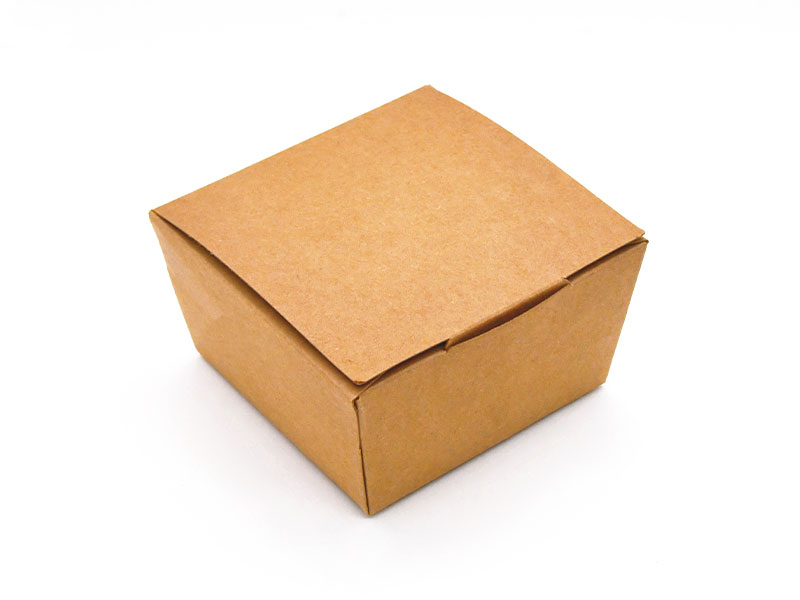 650ml Foldable Paper Clamshell Takeout BoxA 650ml foldable paper clamshell for takeout, suited to right-sized single-portion packaging and bulk wholesale ordering.View Product →
What works best is a short, clear range: one small, one medium, one sharing format, each with a lid or closure that staff can operate at speed. Customers notice when a box is easy to open and close again. Staff notice when they can stack six of them without the pile sliding.
Butter, chocolate, cream and fruit are demanding passengers. They need grease resistance, moisture control and enough structural strength to survive a bag, a bike ride or a delivery van. The old solution was often a plastic film or a heavy coating. The trend is toward fiber-based barriers that keep the paper recyclable.
Seaweed-based coatings and plant-based inks are examples of how barrier performance can improve without turning the pack into a composite. The test is not just “does it resist grease?” It is whether the pack resists wicking at the folds, whether it stains through after ten minutes, and whether it still stacks when warm. Ask for samples, run a counter test with real products, and check the disposal instructions before you print them.
A bakery box is a moving billboard. It travels to offices, parks and homes. That makes print quality part of the product experience. Flexographic and UV printing handle brand colors, logos and simple illustrations across paper bags, boxes and trays. Hot foil stamping adds a premium touch for celebration boxes and gift packs.
 Customizable Recyclable Paper Bags for Retail and TakeawayCustom printed paper bags made from recyclable materials, offering retail, café and takeaway brands a durable, brand-friendly alternative to plastic.View Product →
Print should survive the display case, not just the design proof. Grease and condensation can dull inks or soften paper. Keep important text — allergens, storage guidance, disposal notes — legible and away from folds. A simple two-color design often reads more clearly than a busy full-bleed wrap, especially on a small pastry bag.
At the counter, seconds matter. Packaging that arrives flat and needs folding can slow a queue. Packaging that arrives pre-assembled can take up space. The middle ground is a format that opens with one movement and stacks predictably.
Look for clamshells with secure closures, trays that nest without jamming, and lids that seat with light pressure. Shelf-ready formats also help in display cases: a low-profile tray shows pastries without hiding them, while a stackable heavy-duty box works for larger cakes or catering orders. The goal is not more packaging. It is less fumbling.
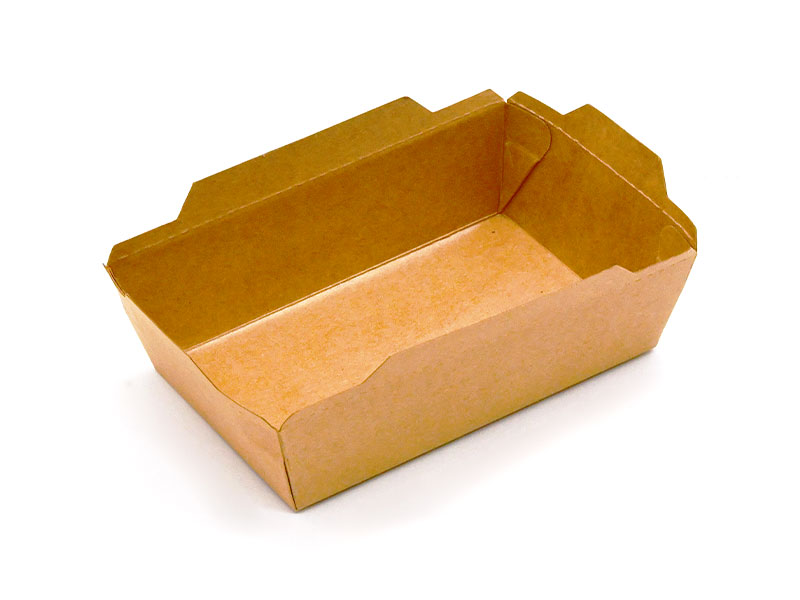 350ml Grab-and-Go Snack Boat TrayA 350ml boat-shaped paper tray for grab-and-go snacks, designed to help foodservice teams present and carry small portions efficiently.View Product →
For bakery teams, the most useful efficiency gains often come from small details: a closure that clicks shut, a tray that stays level in a delivery bag, or a lid that can be removed without tearing the rim.
Material claims are under more scrutiny than ever. “Recyclable” is not a mood; it is a claim that depends on the local collection system. “Compostable” needs the right industrial conditions. Export markets add their own requirements, from labeling to certification.
Good suppliers help you keep the facts straight. Our own production is backed by ISO 9001, ISO 22000, BRC, FSC and SGS certification, and we work to ISO and CE standards for quality control. That matters when a supermarket customer asks for evidence, or when a new market asks for documentation before the first shipment.
Every bakery menu is different, but the patterns are similar. The table below is a starting point for matching a packaging format to the product and the trend behind it. It is not a substitute for a real sample trial, but it can shorten the first conversation.
| Bakery item | Practical format | Trend driver | What to check |
|---|---|---|---|
| Croissants, danishes, pain au chocolat | Boat tray or small clamshell | Grab-and-go and right-sized portions | Grease resistance at folds; crush protection |
| Sourdough loaves and baguettes | Paper bag with a flat base | Branding and carry convenience | Paper strength; print scuff resistance |
| Muffins, cupcakes and small cakes | Multi-compartment clamshell | Variety packs and separation | Cavity fit; lid clearance for frosting |
| Sandwich and savory pastry | Clamshell with hinge lock | Food safety and portability | Closure security; condensation control |
| Celebration cake slices | Heavy-duty box with lid | Premium presentation and stacking | Stack strength; grease barrier |
| Mixed pastry sharing box | Multi-compartment tray or box | Sharing and menu clarity | Compartment count; stackability |
Use the table to narrow the field, then test with the actual product at the actual serving temperature. A croissant at room temperature behaves differently from a warm sausage roll, and a chilled cream tart is another case again.
We have been making paper-based food packaging since 2004, from a 15,000 m² facility with more than 100 automated machines and complete lines for boxes, cups, bowls, corrugated containers and multi-compartment trays. Our team works with FSC-certified paper, plant-based inks and seaweed coatings, supported by solar power and zero-wastewater processes. We also participate in a European industrial composting network.
We do not pretend that one format fits every bakery. The useful conversation starts with your menu, your counter workflow and the claims you need to stand behind. You can read more about our manufacturing background or contact our team to talk through samples.
Bakery packaging trends in 2026 are not about chasing novelty. They are about making the pack fit the pastry, the counter and the customer’s expectations — and then proving it with clear material choices and honest labels. That is a quieter kind of innovation, but it is the kind that holds up at 8 a.m. on a Saturday.
Recommended Articles
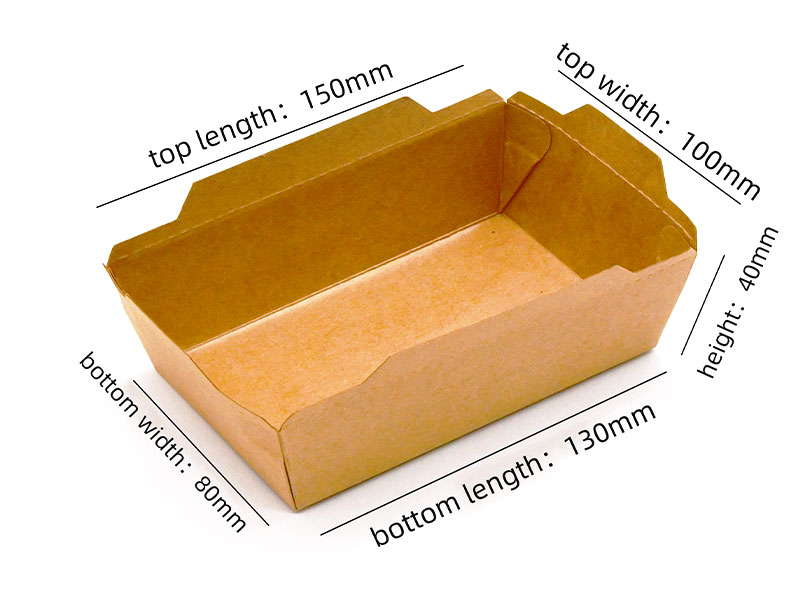
The Grab-and-Go Snack Boat Box is a versatile, general-purpose paper tray designed to serve a wide v...
See Details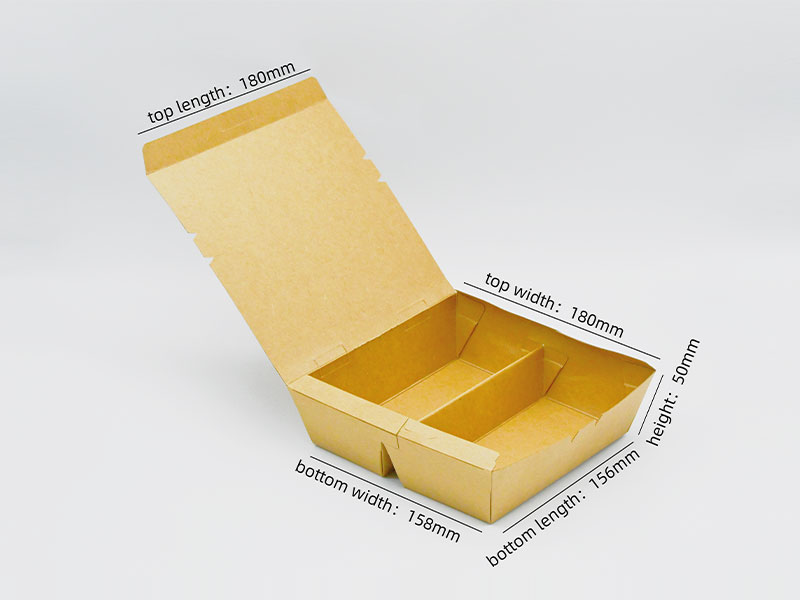
The L158 Top-and-Bottom Two-Compartment Kraft Paper Takeout Box is a smart, eco-conscious packaging ...
See Details
Easy-to-Open Cardboard Burger Box combines rugged reliability with a premium fit. The generous top o...
See Details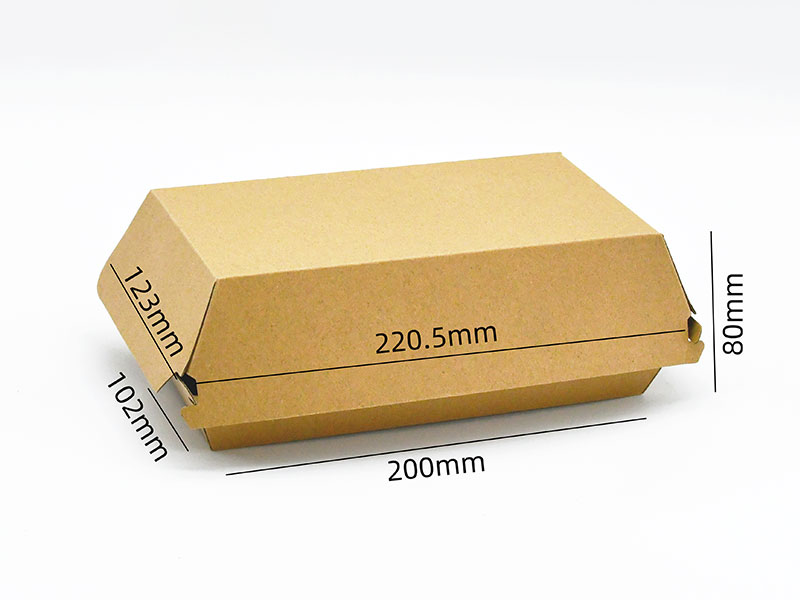
HB200 Standard Flip-Top Burger Box is a classic and practical packaging solution designed for everyd...
See Details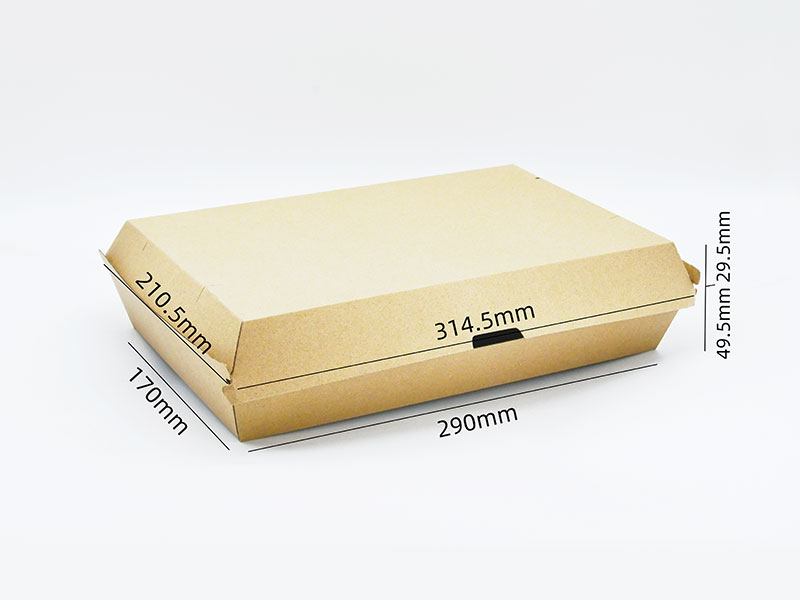
This elongated, clamshell-style sandwich/hot dog box is specifically designed for long-format foods....
See Details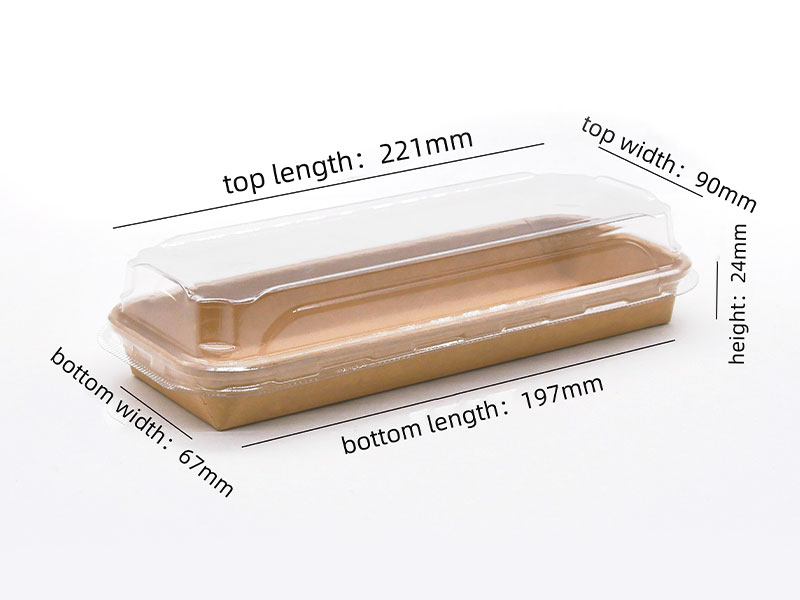
Introducing Multi-Occasion Rolled-Edge Paper Sandwich Tray, practical, and eco-friendly! With a 340m...
See Details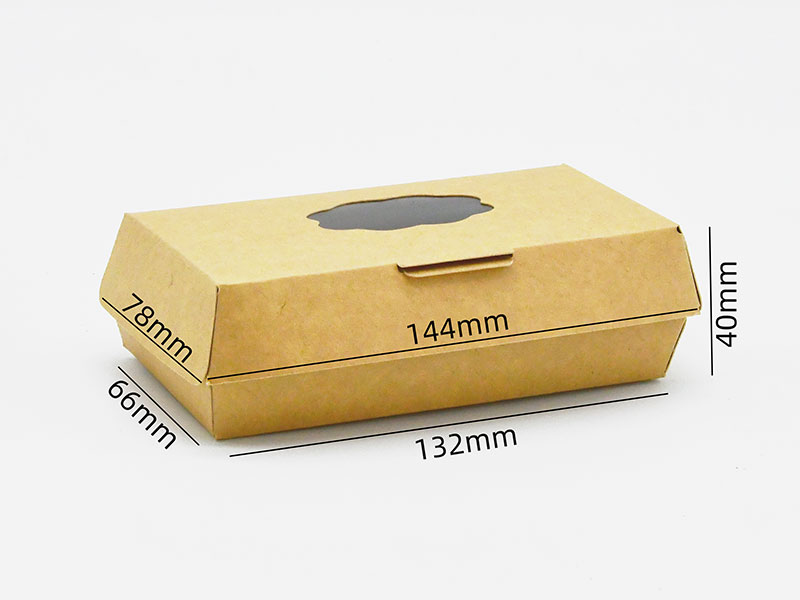
Packed with purpose and built to last, our Sturdy Cardboard Burger Box comes in a convenient bulk pa...
See DetailsPackaging With Purpose
At Ruihe Sheng, we are committed to creating truly compostable, renewable, and low-carbon paper packaging solutions. From material selection to production processes, we fully practice the concept of sustainability - using FSC certified paper materials, plant-based ink and innovative algae coatings, and supporting solar energy systems and zero wastewater treatment facilities in the production process. We also actively participate in the European Industrial Composting Network, supporting brands to achieve green packaging implementation worldwide. Paper Food Containers Factory and Food Grade Paper Packaging Manufacturer in China.
contact details
Address: No. 330 Jingyang South Road, Qingyang Town, Wuxi City, Jiangsu Province
TEL: +86 0510 86510905
Whatsapp: +1 6477091788
news
If You Are Interested In Our Products, Please Consult Us
