
 عربى
 English
 Español
 Français

Smart Compartment Layout. The L200 features five separate compartments within a single clamshell she...
See DetailsDate:Nov 09, 2026
Content
Paper plates feel like the easy choice at a picnic, food truck, office lunch, or family gathering. They are light, affordable, and they save a mountain of dishwashing. But when someone asks, “Are paper plates bad for the environment?” the honest answer is not a simple yes or no. It depends on what the plate is made from, how it is coated, where it ends up, and what it replaces.
From our side of the table — quite literally, as a paper food packaging manufacturer — we have seen genuinely sensible paper products and paper products that create more waste than they solve. The material matters, but the system around it matters just as much.
Paper is renewable, and disposable paper plates can have a lower climate impact than some plastic alternatives when they are made responsibly and disposed of well. But “paper” does not erase the impacts of forestry, pulping, water use, energy, transport, coating, and waste handling. A thin, single-use plate made from virgin fiber and coated with polyethylene may be difficult to recycle, especially once it is greasy. In landfill, food-soiled paper can break down anaerobically and produce methane.
On the other hand, a plate made with certified fiber, a PFAS-free barrier, and a clear route to industrial composting can be a reasonable choice for certain events and food-service settings. The key is not paper versus plastic. The key is whether the plate fits the way your food is served, collected, and processed.
Most paper plates need a barrier so sauces and juices do not soak through. Common barriers include polyethylene, wax, and water-based dispersions. Some molded fiber products have historically used PFAS for grease resistance; many manufacturers have moved away from them, but buyers should still ask. Plastic and wax coatings often complicate recycling and composting. Grease and food residue make even uncoated plates unattractive to recyclers.
This is why a plate can look like plain paper and still behave like a mixed material. The coating is usually the hidden detail that decides whether the plate can be recycled, composted, or only landfilled.
Even a perfectly compostable plate is not helpful if it goes into a general waste bin. Disposable plates encourage high throughput and can contribute to litter when collection is poor. In places without reliable waste infrastructure, lightweight plates can escape into waterways and public spaces.
Virgin pulp carries land-use, water, and energy impacts. FSC certification helps connect fiber to responsible forest management, but it does not eliminate those impacts. Recycled fiber can reduce pressure on forests, though food-contact rules and strength requirements can limit how much recycled content a plate can contain.
Instead of asking whether paper plates are “good” or “bad,” compare the full use case. The table below is a starting point, not a universal ranking. Local recycling and composting rules vary widely.
| Option | What it does well | Main watch-outs | Best-fit use |
|---|---|---|---|
| Reusable ceramic, metal, or durable plastic plates | Lower waste per use after many uses; familiar to diners | Higher up-front impact; washing uses water and energy | On-site dining, staff cafeterias, regular events with dishwashing |
| Coated paper plates | Lightweight, low cost, renewable fiber, convenient | Often not recyclable or compostable because of coating and food residue | Events with no dishwashing capacity, short-term service, controlled waste collection |
| Uncoated molded fiber plates | Simple material, possible industrial composting if accepted | Weak against grease and liquids; still needs a collection pathway | Dry foods, bakeries, events with a working compost service |
| Certified compostable paper plates | Designed to break down in industrial composting | Only works where a facility accepts them; “compostable” is not the same as “home compostable” | Venues and caterers with a verified compost collection program |
A reusable plate washed efficiently can outperform disposables over hundreds of uses. A disposable plate can still be defensible in medical settings, disaster relief, or large events where no dishwashing exists. For a daily office lunch, however, a reusable plate and a dishwasher usually beats single-use on waste.
Vague green language is not enough. Look for specific, checkable claims: certified fiber, a stated recycled-content percentage, the exact coating type, a PFAS-free statement, and third-party compostability certification such as EN 13432 or ASTM D6400 where relevant. “Biodegradable” without a disposal pathway is close to meaningless in a landfill.
In our own production, we use FSC-certified paper, plant-based inks, and seaweed-based coatings for selected products, and we try to be precise about what each option can and cannot do. You can see more about how we approach materials and manufacturing on our factory page.
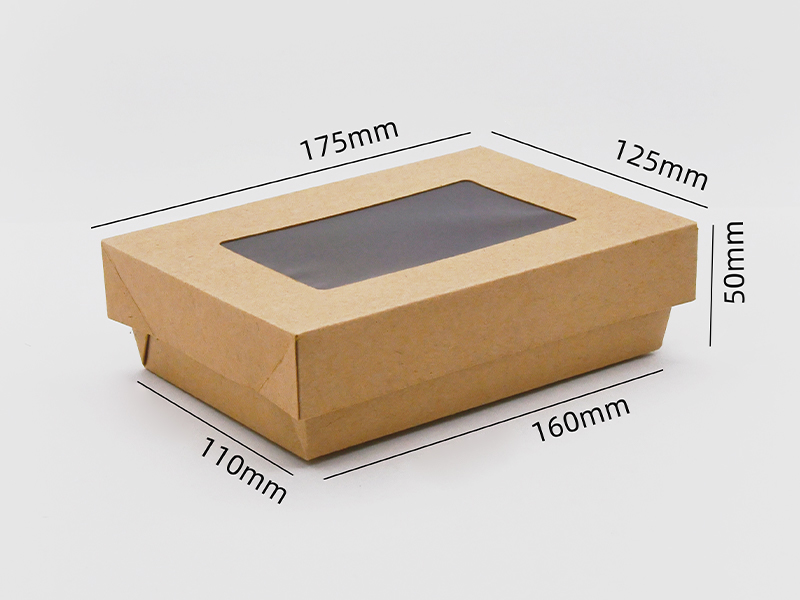 BH03 Plastic-Free Paper Food Tray with LidBulk wholesale paper tray with lid, 175 x 125 mm opening, for foodservice takeaway where a plastic-free format suits the menu and waste system.View Product →
For restaurants, caterers, and food trucks, the most sustainable plate is the one that suits the food, the customer, and the waste system. A few practical steps help more than a broad “paper is good” or “paper is bad” rule.
In some menus, a paper tray with a lid or a sturdy clamshell can replace a plate plus film or foil, reducing material layers and making takeaway easier to handle. That does not make paper packaging automatically sustainable; it makes it a better fit when the format is right and disposal is managed.
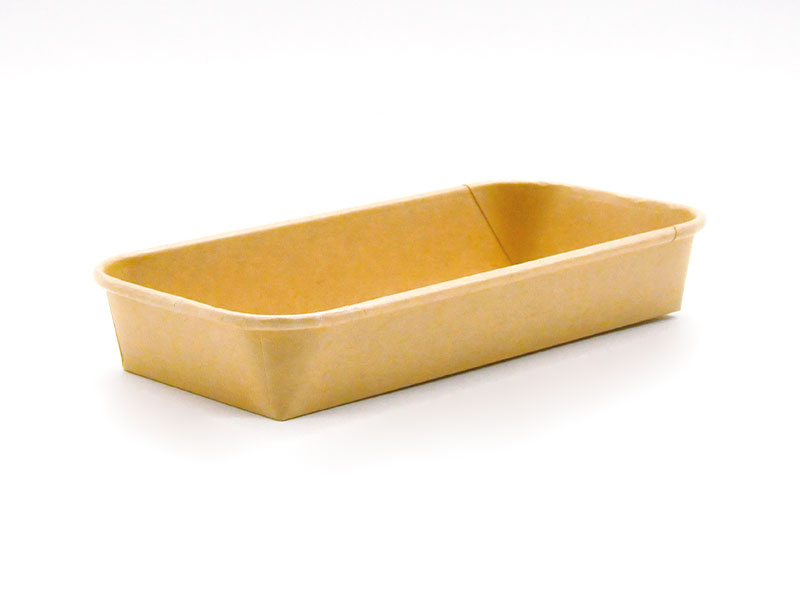 JBTP-203 450ml Recyclable Rolled-Edge Paper Food TrayBulk wholesale 450 ml rolled-edge paper tray with 203 x 127 mm opening, a recyclable option for takeaway menus that need fewer material layers.View Product →
If you are choosing plates for a business, event, or institution, ask these questions before comparing prices:
A lower unit price can hide a higher waste cost. A higher-priced compostable plate can be wasted if no facility accepts it. The better question is not “Which plate is greenest?” but “Which plate creates the least waste and impact for this specific service?”
Paper plates are not villains, but they are not free of impact either. They make the most sense when they use responsible fiber, avoid problematic coatings, match the food, and arrive at a disposal route that actually exists. They make the least sense when they are treated as invisible, used in excess, and sent to landfill without a second thought.
If you are planning a menu change, packaging switch, or large event, we would rather help you choose the right format than sell you a box that does not fit. You can talk with our team about materials, formats, and practical waste planning for your next order.
Recommended Articles
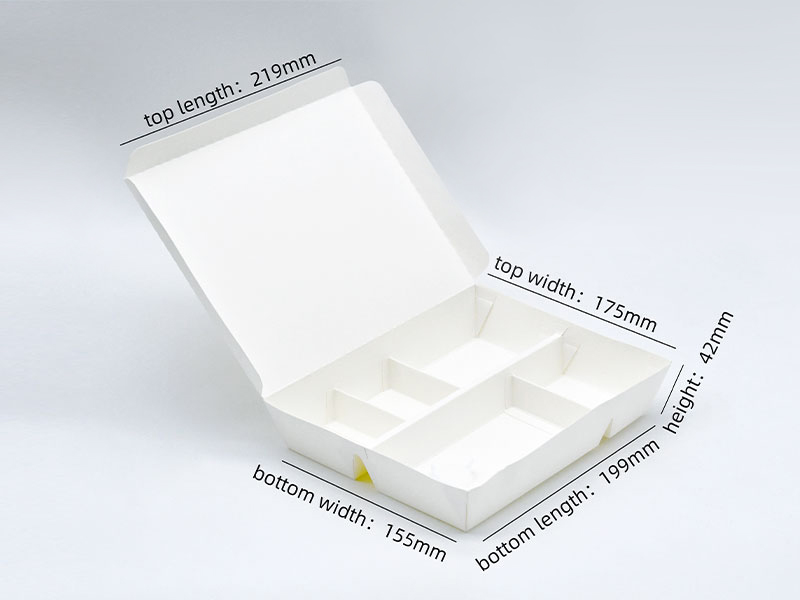
Smart Compartment Layout. The L200 features five separate compartments within a single clamshell she...
See Details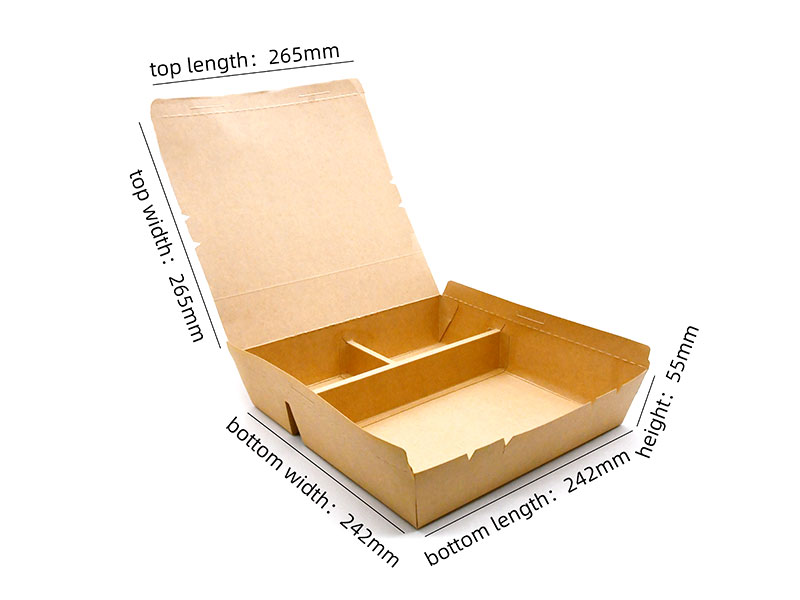
The L242 Feast-Size Square Three-Compartment Paper Clamshell Box is the largest format in Ruihesheng...
See Details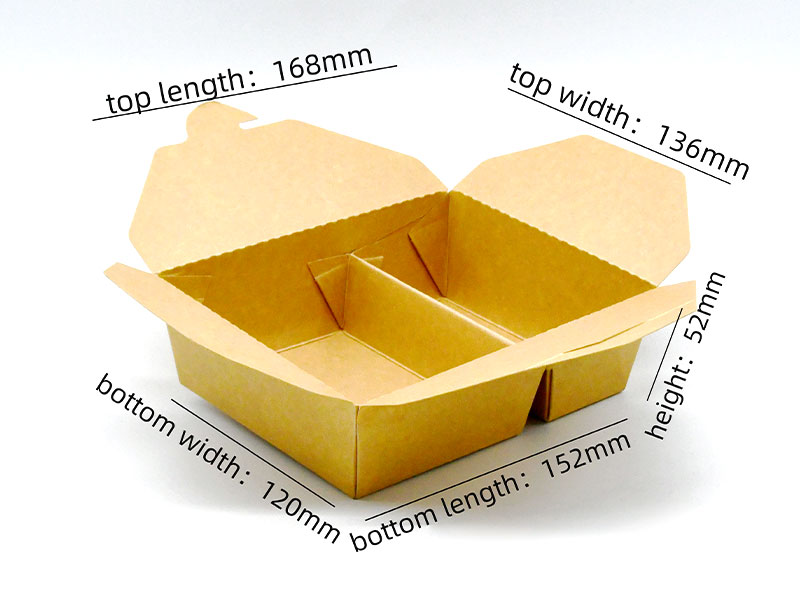
The L152 Reheat-Ready Microwavable Paper Takeout Box with Double Lock is a smart, innovative packagi...
See Details
The L152 Roomy Microwavable Paper Takeout Box with Double Lock is a smart, innovative packaging solu...
See Details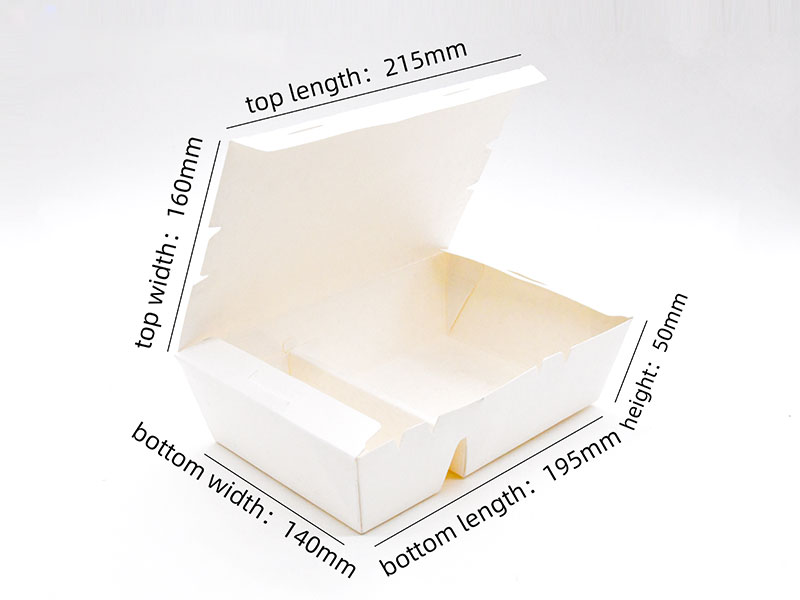
The L195 Ultra-Light Two-Compartment Paper Clamshell Takeout Box is designed for meals that call for...
See Details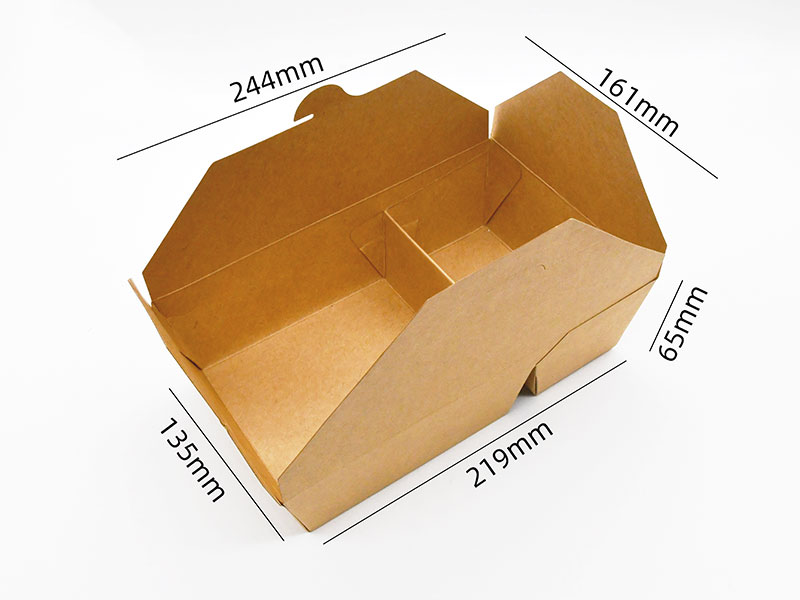
The L219 Double-Lock Two-Compartment Paper Clamshell Box is engineered around a secure double-notch ...
See Details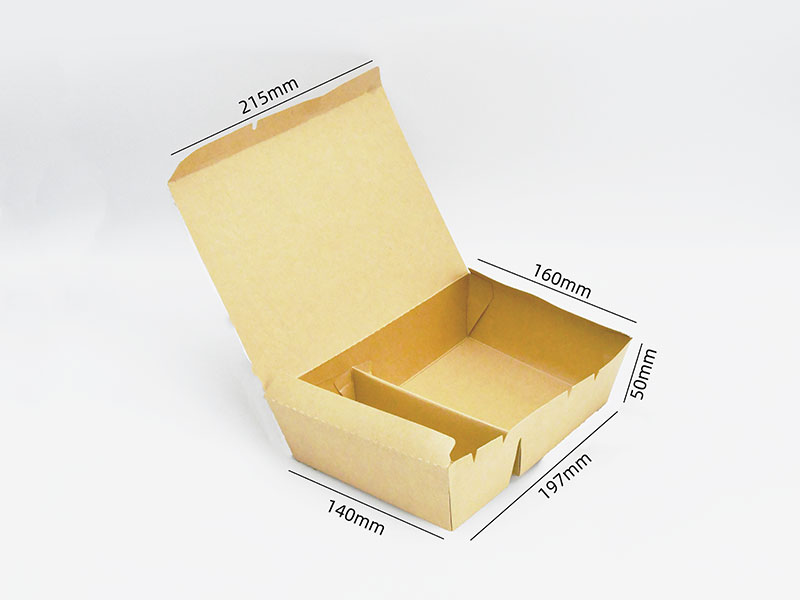
The L197 Space-Efficient Two-Compartment Paper Clamshell Takeout Box is built for meals that benefit...
See DetailsPackaging With Purpose
At Ruihe Sheng, we are committed to creating truly compostable, renewable, and low-carbon paper packaging solutions. From material selection to production processes, we fully practice the concept of sustainability - using FSC certified paper materials, plant-based ink and innovative algae coatings, and supporting solar energy systems and zero wastewater treatment facilities in the production process. We also actively participate in the European Industrial Composting Network, supporting brands to achieve green packaging implementation worldwide. Paper Food Containers Factory and Food Grade Paper Packaging Manufacturer in China.
contact details
Address: No. 330 Jingyang South Road, Qingyang Town, Wuxi City, Jiangsu Province
TEL: +86 0510 86510905
Whatsapp: +1 6477091788
news
If You Are Interested In Our Products, Please Consult Us
