
 عربى
 English
 Español
 Français

The L158 Top-and-Bottom Two-Compartment Kraft Paper Takeout Box is a smart, eco-conscious packaging ...
See DetailsDate:Nov 23, 2026
Content
Egg boxes are one of those everyday packaging items that seem simple until you stand in front of the recycling bin. The short answer to “can egg boxes be recycled?” is usually yes, but not every egg box and not in every collection program. Material, condition, and local rules all matter. For cafés, bakeries, restaurants, and food manufacturers, getting this right affects waste costs, sustainability claims, and the credibility of a packaging strategy.
This guide walks through molded paper, plastic, and foam egg boxes, how to prepare each one, and when composting or reuse is the better route.
Most clean molded paper egg boxes are accepted in curbside paper recycling. Plastic egg boxes are more variable: rigid PET is often recyclable, while polystyrene foam usually is not. The table below gives a practical overview, but your local hauler or municipal recycling guide always has the final say.
| Egg box type | Common material | Curbside recycling | Best alternative |
|---|---|---|---|
| Molded paper or cardboard | Recycled paper pulp | Usually yes, if clean and dry | Compost if soiled with egg |
| Clear rigid plastic | PET #1 | Often yes, check locally | Reuse or return where accepted |
| Foam | Polystyrene #6 | Usually no | Reuse or specialist drop-off |
Paper egg boxes are typically made from recycled newspaper, cardboard, or other paper pulp. That makes them a good fit for paper recycling streams when they are clean and dry. A quick tear test helps: paper cartons tear into fibrous pieces, while plastic cartons flex or crack.
Before recycling, empty out any broken shell or egg residue. A little dust is fine, but a carton soaked with raw egg should not go into the recycling bin because food residue can contaminate paper bales. If your local program accepts food-soiled paper, a dirty carton may belong in compost instead. Keep cartons dry, and do not stuff them with plastic or other waste.
One common question is whether molded pulp can be recycled more than once. Yes, paper fibers can be repulped, though they shorten over repeated cycles. That is why clean sorting still matters. If the carton has a heavy plastic film, a glued-on label, or a shiny coating, check local rules before placing it in paper recycling.
Clear plastic egg boxes are often made from PET, which carries the resin code #1. Many curbside programs accept rigid PET containers, but egg cartons are not always included. Check whether your program asks for bottles and jugs only or accepts all rigid PET. If the carton has no code, treat it as uncertain and look up your local guide.
Empty and rinse plastic cartons if needed, then keep them loose rather than nesting them tightly inside each other. Some sorting facilities prefer loose containers. Foam or polystyrene cartons, usually marked #6, are a different story and should not be mixed with PET recycling.
Polystyrene foam is lightweight, inexpensive, and difficult to recycle at scale. Most curbside programs reject it because it breaks into small beads, contaminates other materials, and has limited end markets. Do not place foam egg boxes in mixed recycling unless your local program explicitly lists them.
Reuse is often the most realistic option for foam cartons: craft storage, seedling trays, or protective packaging. For food businesses, the stronger move is to avoid foam where practical and choose paper or recyclable plastic alternatives that fit local collection systems.
Molded paper egg boxes can be composted, especially if they are clean or only soiled with egg residue. Shred or tear them into smaller pieces so they break down faster. Home compost piles may take longer than industrial systems, and any plastic label or coating should be removed first.
Composting is not a free pass for all packaging. Plastic cartons do not belong in compost, and “compostable” claims need proper certification and access to a suitable facility. For restaurants and food producers, the safest approach is to separate clean paper from food-soiled paper at the source and confirm what the local waste service actually accepts.
Before recycling, consider whether the carton has another useful life. Clean paper egg boxes work well for starting seeds, storing small craft items, protecting delicate fruit, or organizing drawer dividers. In food service, reuse should be limited to clean, non-food-contact purposes to avoid cross-contamination.
For a café, bakery, restaurant, or central kitchen, egg box recycling starts with station-level separation. Put clean paper cartons in the paper stream, food-soiled cartons in compost where available, and foam or unknown plastics in general waste. Train staff with a simple visual guide, and ask your waste hauler to confirm which cartons are accepted.
The same logic applies to other paper food packaging. Mono-material paper boxes and trays are easier for staff to sort and for customers to understand. Our microwave-available clamshell food paper boxes are made for takeaway meals and can be sorted with clean paperboard where local programs allow.
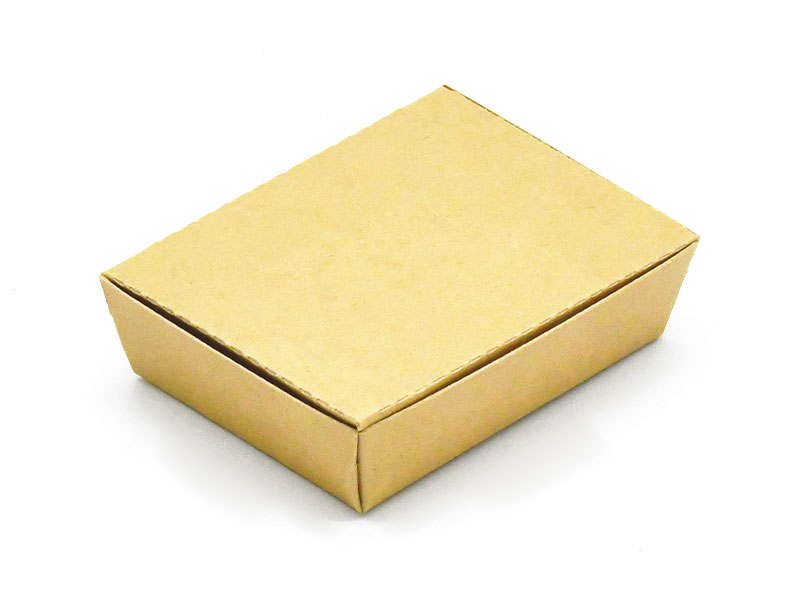 105# 300ml Microwavable Paper Clamshell Food BoxA 300 ml paper clamshell for takeaway meals, with model 105# dimensions and bulk packing details for reviewing mono-material food packaging options.View Product →
For trays and lids, look for simple paper-to-paper combinations that avoid mixed plastic layers. Our roll-edged paper tray with good recyclability and recyclable paper lids is one example of how a takeaway meal can stay within one material family.
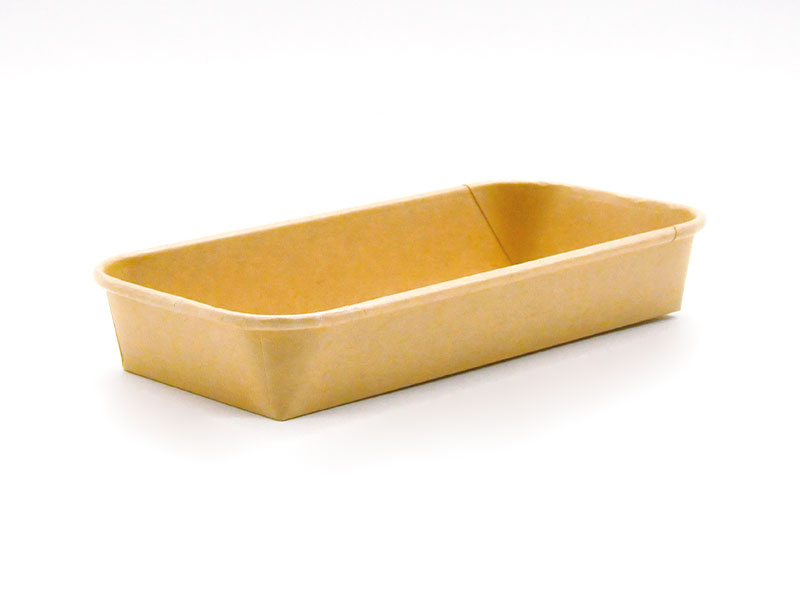 JBTP-203 450ml Recyclable Rolled-Edge Paper Food TrayA 450 ml rolled-edge paper food tray with stated dimensions and bulk packing, suited to reviewing recyclable tray and lid combinations for takeaway.View Product →
You can learn more about our paper packaging experience on the about page, and our team is happy to talk through material choices for your menu. If you are reviewing egg boxes, takeaway boxes, trays, or lids, contact us to compare options that fit your waste stream and your customers’ expectations.
Can egg boxes be recycled? Paper and molded pulp usually can, clean rigid plastic sometimes can, and foam usually cannot. When in doubt, check the material, remove food residue, and follow your local program. For businesses, the bigger win is choosing packaging that is easy to sort, clearly labeled, and matched to the waste infrastructure your customers actually have.
Recommended Articles
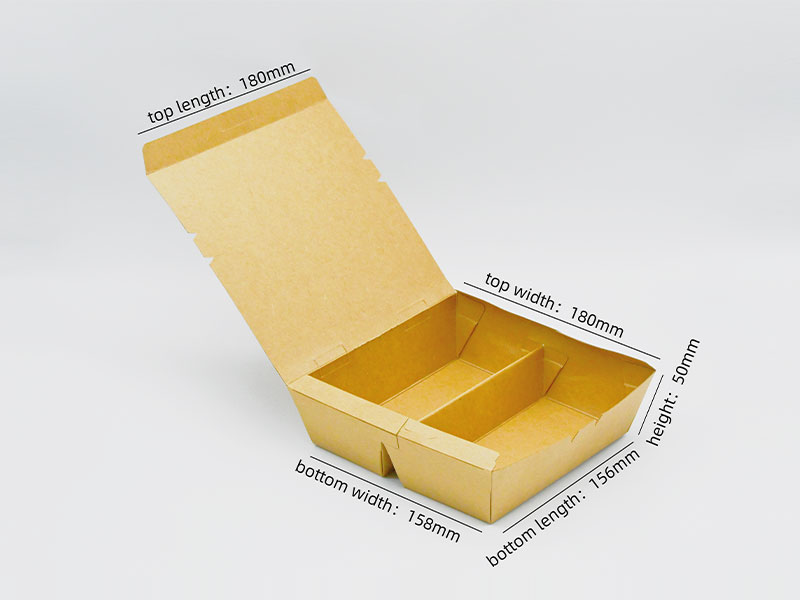
The L158 Top-and-Bottom Two-Compartment Kraft Paper Takeout Box is a smart, eco-conscious packaging ...
See Details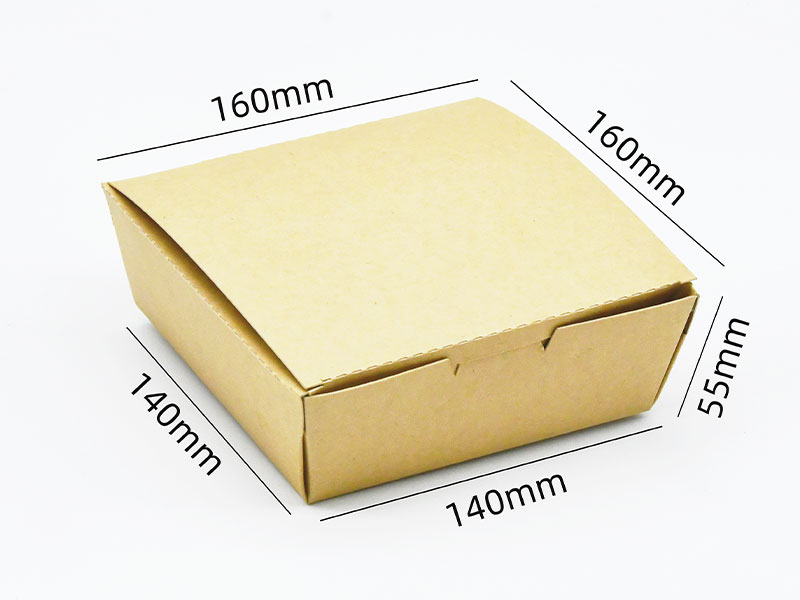
The Fresh-Keeping Kraft Paper Bento Box is your go-to solution for hearty, multi-component meals tha...
See Details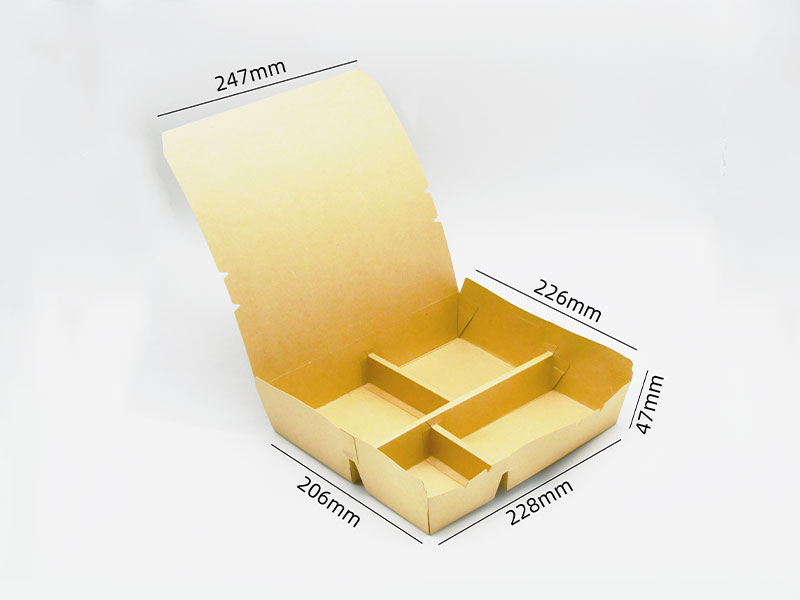
Smart Compartment Design. The L228 features a built-in four-compartment divider system that separate...
See Details
The L205A Large-Capacity Three-Compartment Paper Clamshell Takeout Box is built for hearty, family-s...
See Details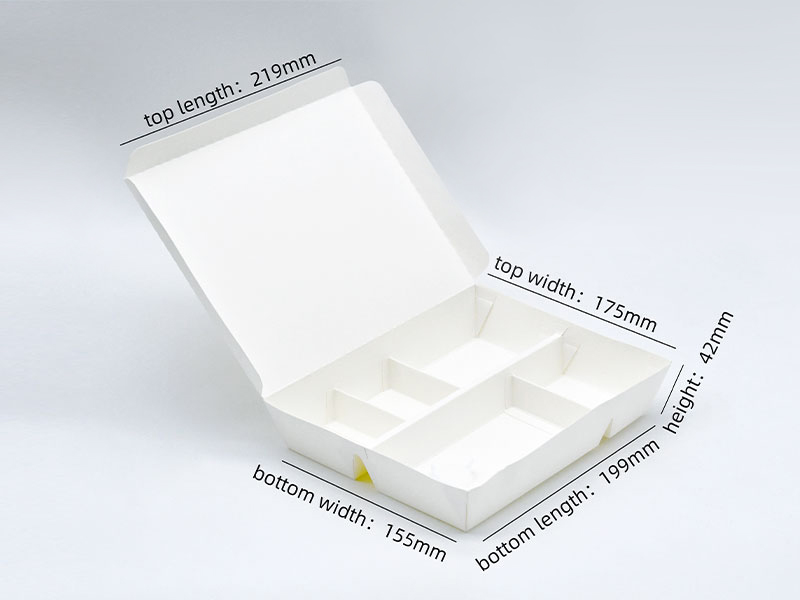
Smart Compartment Layout. The L200 features five separate compartments within a single clamshell she...
See Details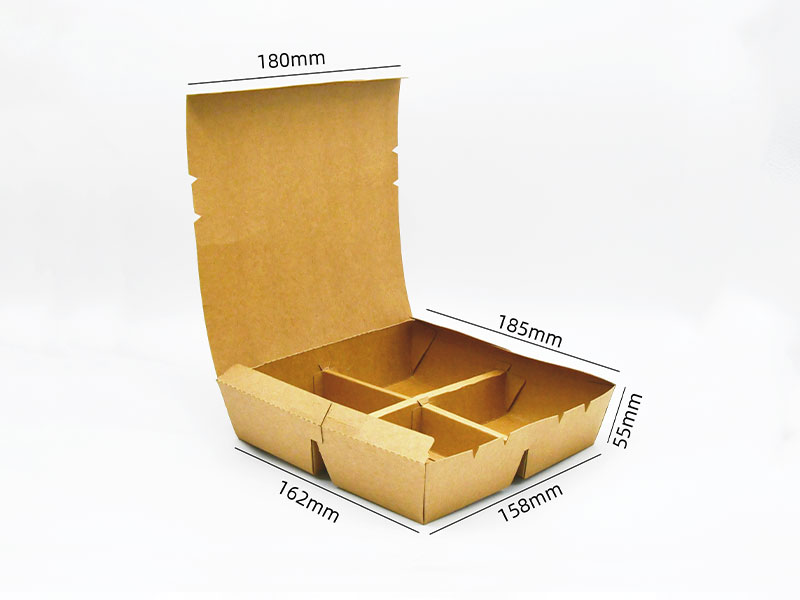
Smart Compartment Design. The four-compartment interior divider keeps food groups separated and pres...
See Details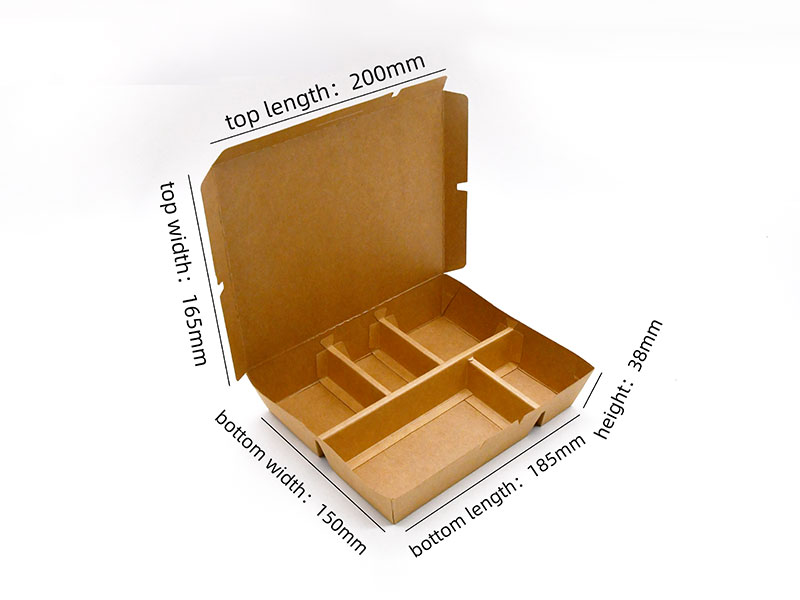
Smart Compartment Design. The L185 features five individual compartments of varying sizes, allowing ...
See DetailsPackaging With Purpose
At Ruihe Sheng, we are committed to creating truly compostable, renewable, and low-carbon paper packaging solutions. From material selection to production processes, we fully practice the concept of sustainability - using FSC certified paper materials, plant-based ink and innovative algae coatings, and supporting solar energy systems and zero wastewater treatment facilities in the production process. We also actively participate in the European Industrial Composting Network, supporting brands to achieve green packaging implementation worldwide. Paper Food Containers Factory and Food Grade Paper Packaging Manufacturer in China.
contact details
Address: No. 330 Jingyang South Road, Qingyang Town, Wuxi City, Jiangsu Province
TEL: +86 0510 86510905
Whatsapp: +1 6477091788
news
If You Are Interested In Our Products, Please Consult Us
