
 عربى
 English
 Español
 Français

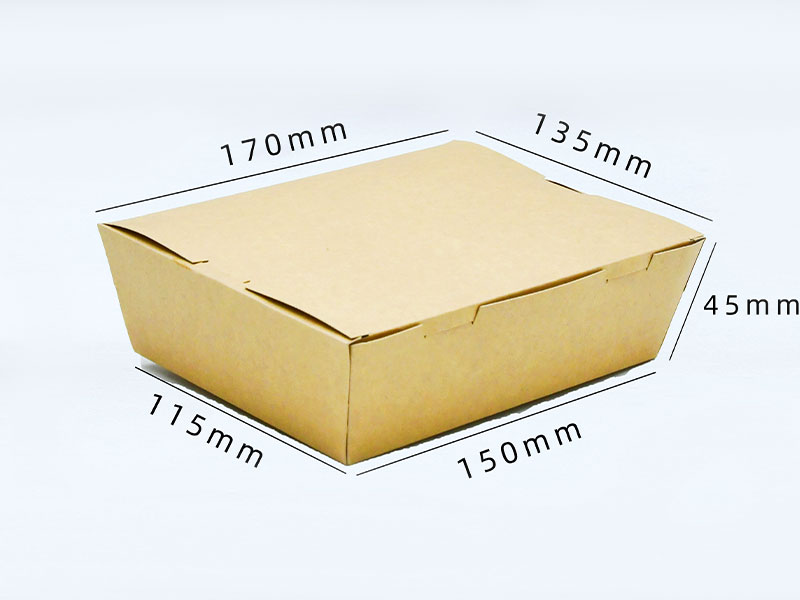
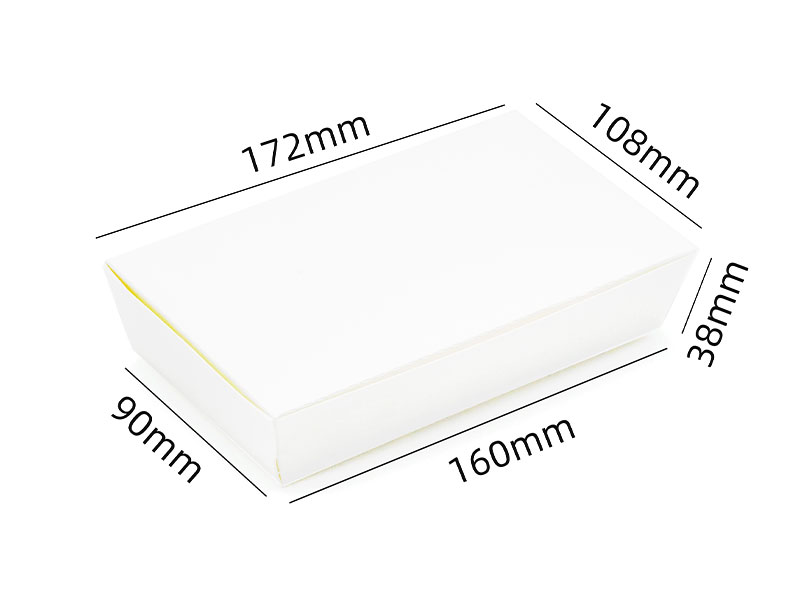
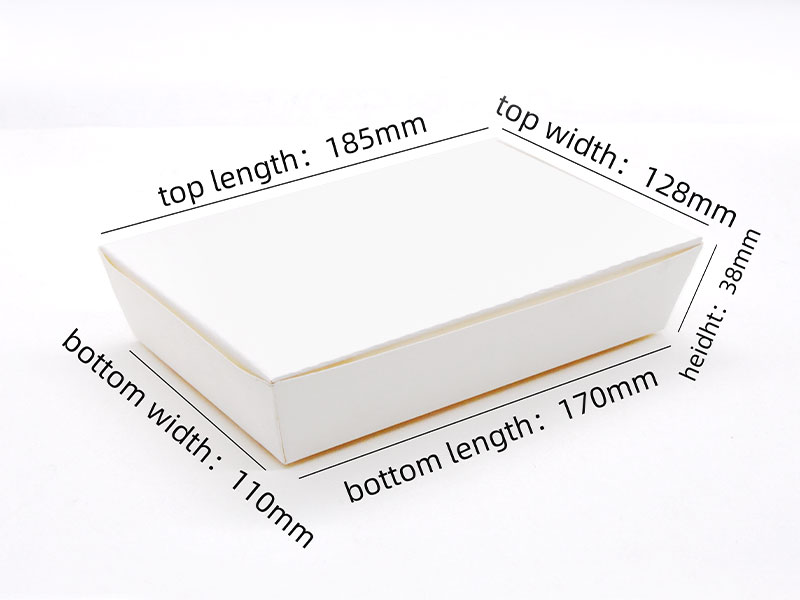
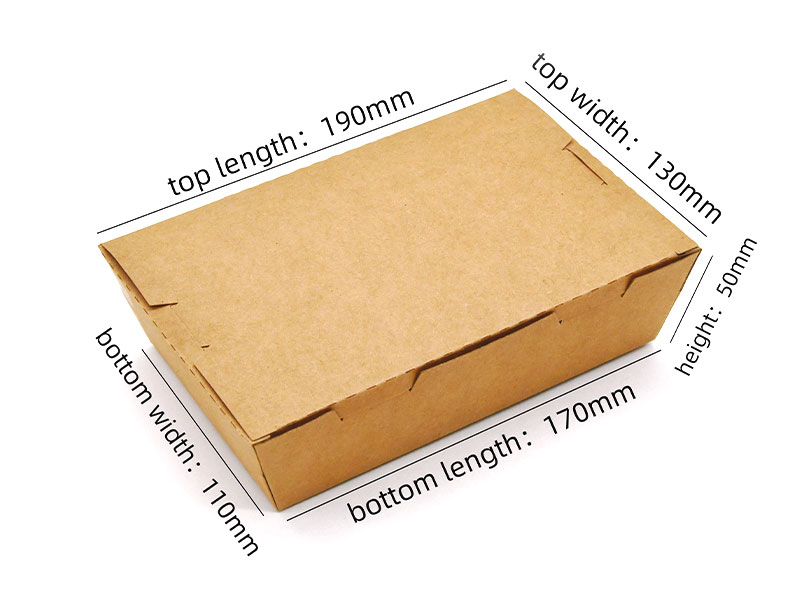
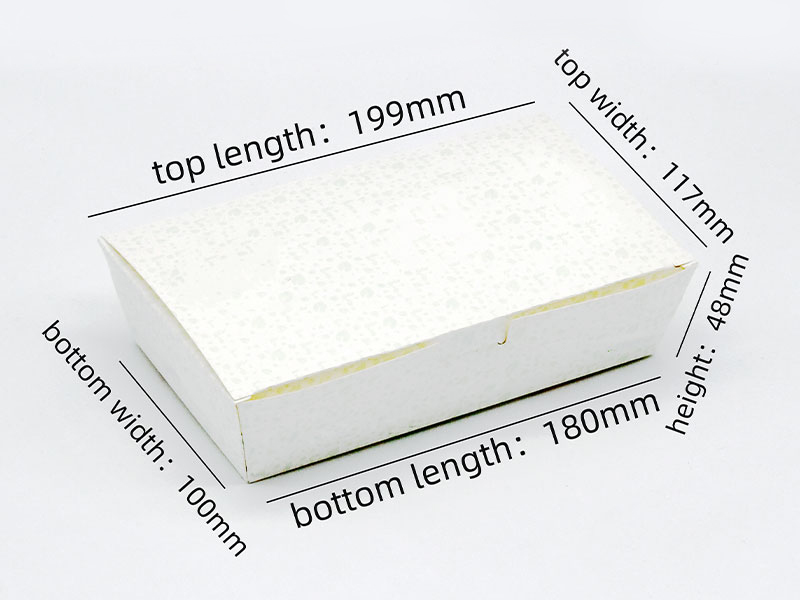
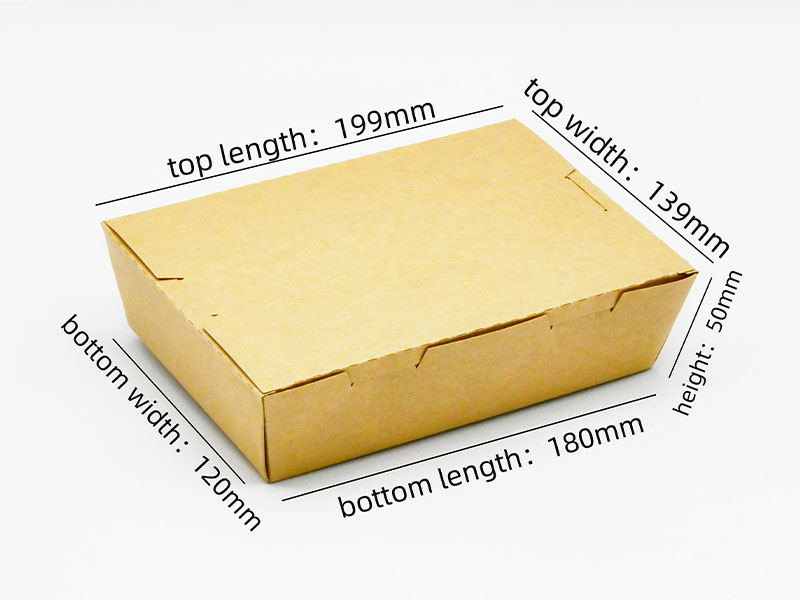

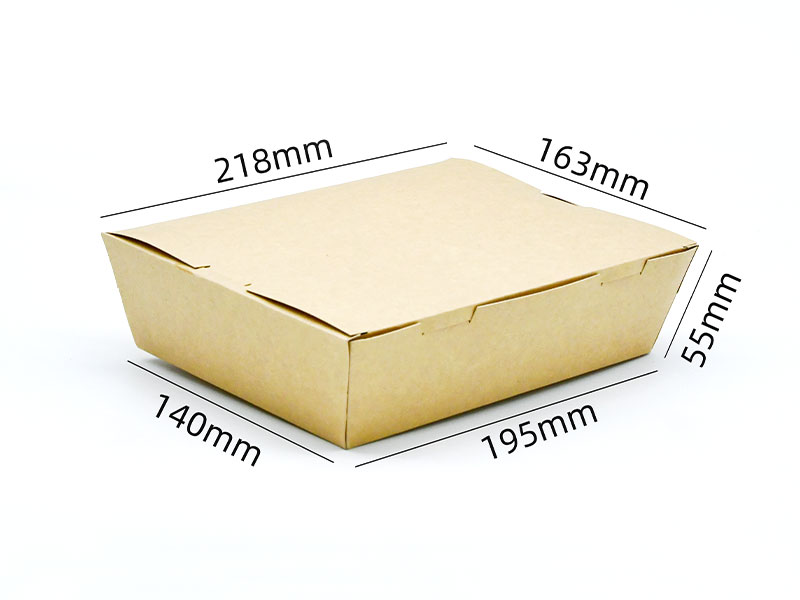
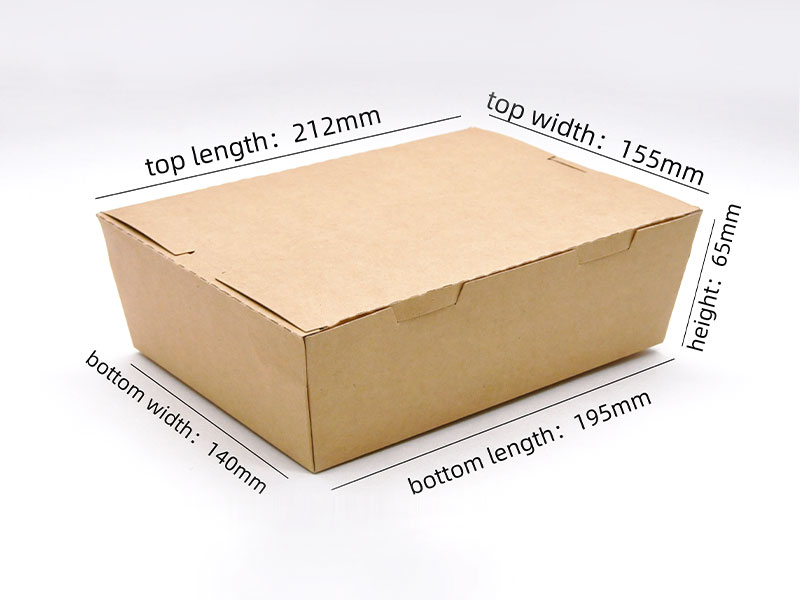
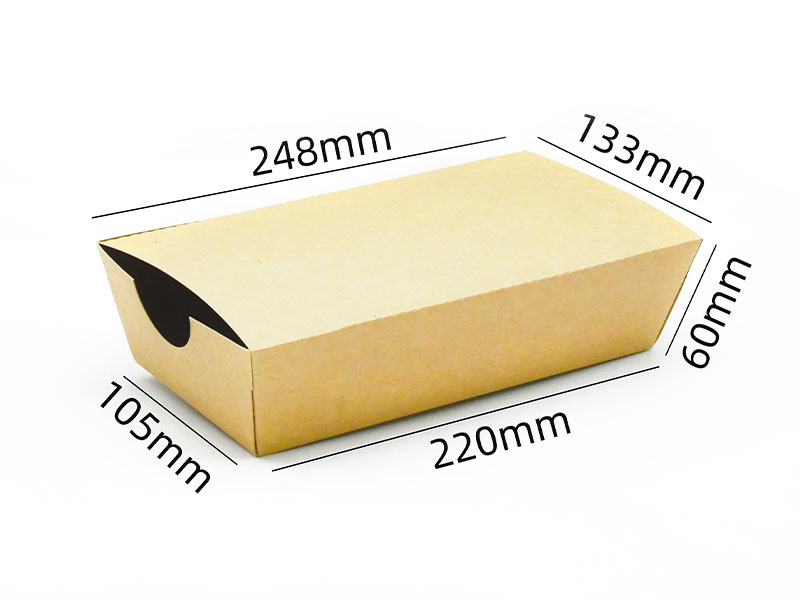
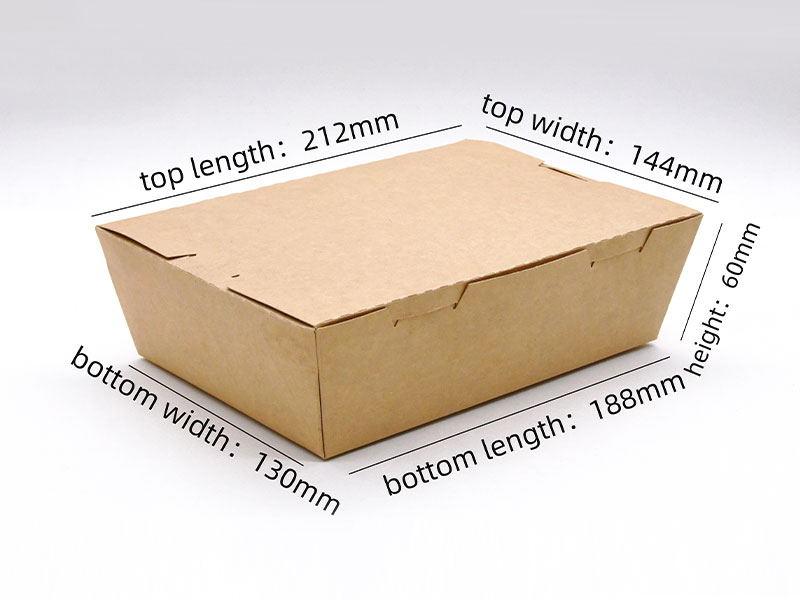
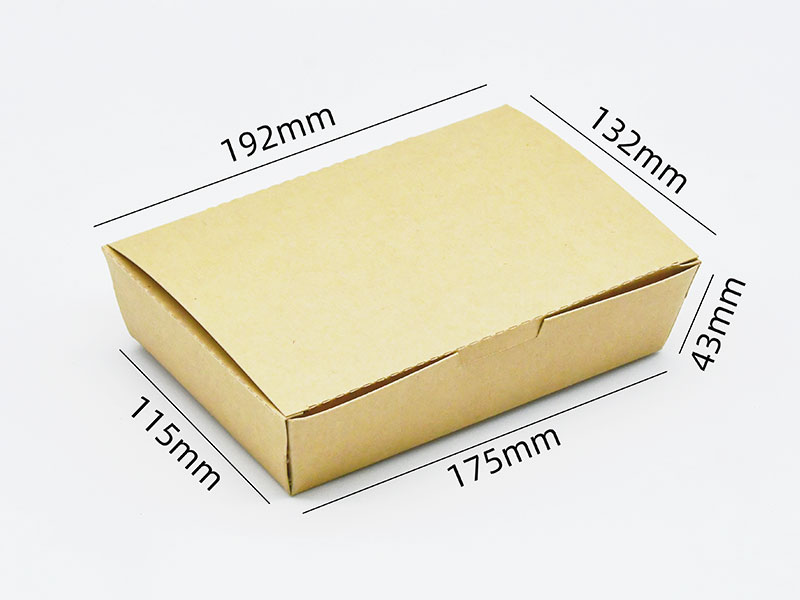



Jiangyin Ruihesheng Paper Products Co., Ltd. manufactures the General Clamshell Food Paper Box range at our Wuxi, Jiangsu production base. We have built food-grade paper packaging for the catering industry since 2004, and this hinged, single-piece container is the workhorse of our clamshell line — a fold-and-lock box for takeout, delivery, canteen and counter service.
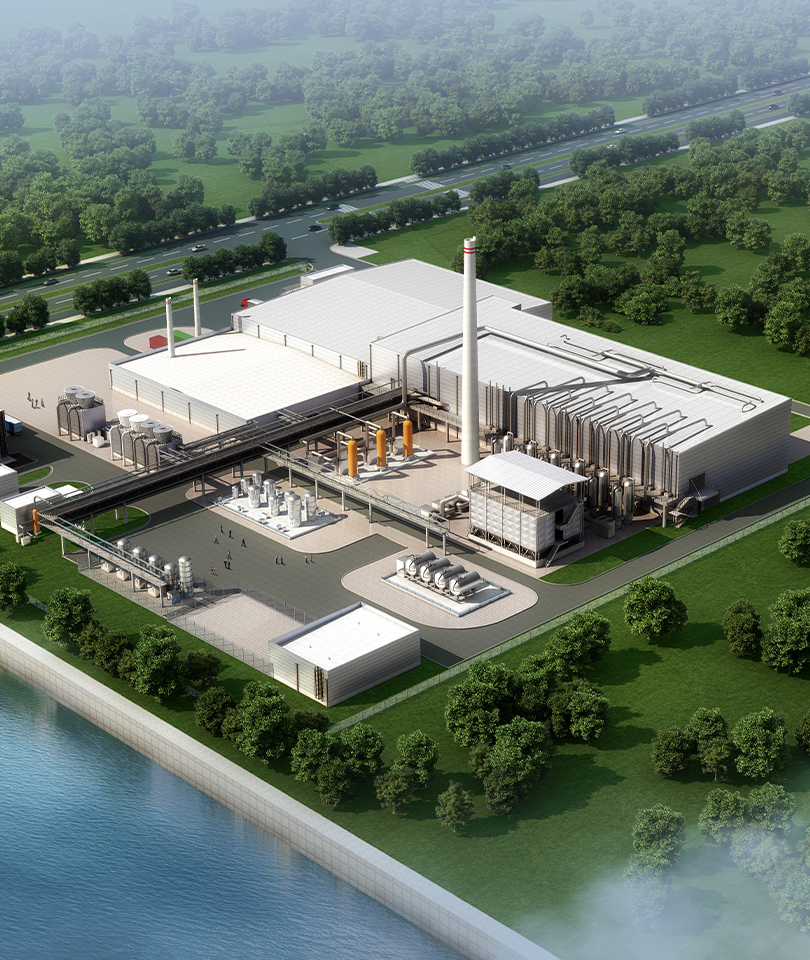
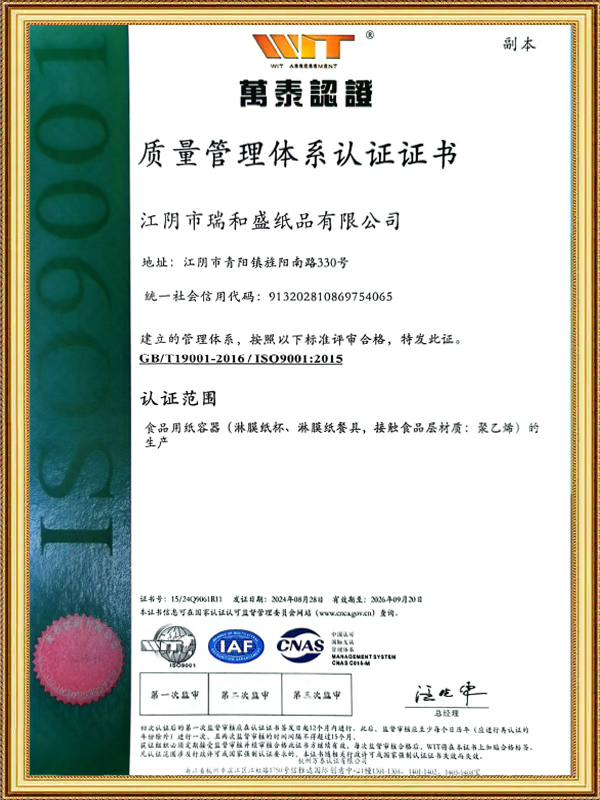
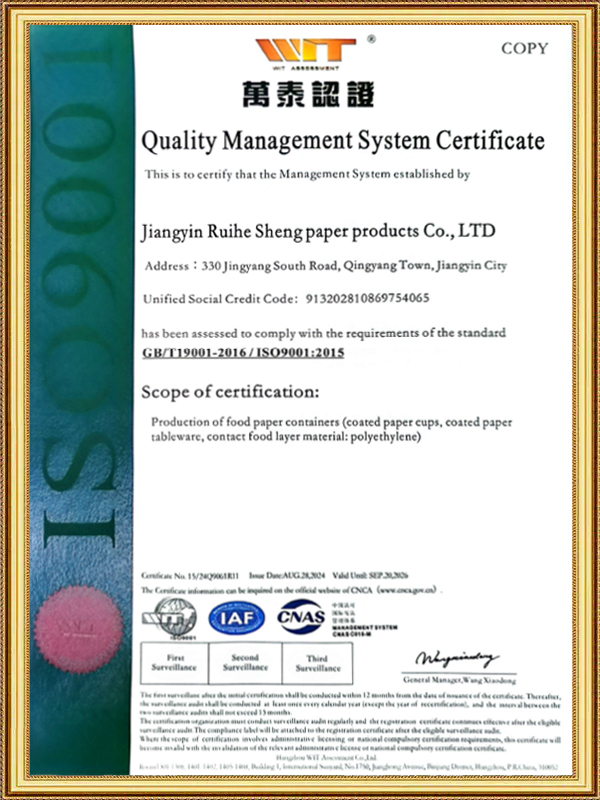
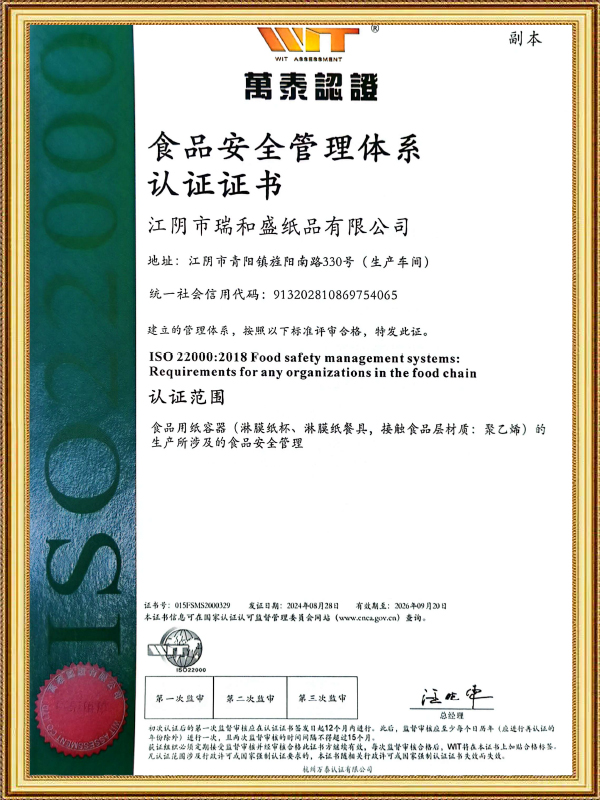
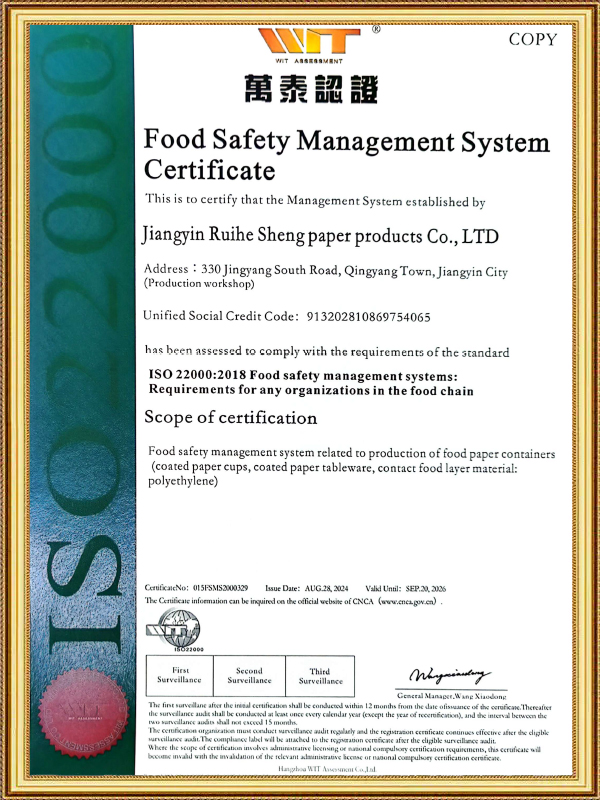
Our 15,000 m² facility runs more than 100 automated machines across paper box, cup, bowl, corrugated container and multi-compartment tray lines, with annual capacity reaching several billion units. The plant operates under ISO9001, ISO22000, FSC, BRC and SGS certification, and our packaging ships to the USA, France, Sweden, Japan, South Korea, Singapore and other markets.
Range in one line: nominal capacities from 300 ml to 2100 ml, kraft and white food-grade board, greaseproof and leakproof formats, microwave-available and heat-resistant grades, window-ready display lids, and a 220# heavy-duty BBQ serving tray.
What Our General Clamshell Range Covers
Every box in this family is a one-piece clamshell: the lid and base are die-cut from the same board, hinged at the back and closed with a locking tab or tuck flap. There is no separate lid to inventory, no assembly before filling, and the box stacks flat for shipping and storage.
- Capacity spread: 300 ml snack and side portions through 2100 ml sharing and catering portions.
- Board grades: food-grade paperboard in kraft and white, with thickened paperboard options at the larger end of the range.
- Performance formats: greaseproof, grease-shield, grease-lock, leakproof, moisture-balanced, heat-resistant and microwave-available constructions.
- Closure and structure: quick-lock kraft tabs, secure-fit clamshell closures, foldable bodies, bento-style compartments and window-ready display lids.
- Related ranges we produce: the wider CLAMSHELL FOOD PAPER BOX family, MULTI-COMPARTMENT CLAMSHELL FOOD PAPER BOX, burger boxes, HEAVY DUTY FOOD PAPER BOX, paper food trays, paper bowls and cups, dining accessories and special-shape boxes.
Model Range and Application Matching
The table below maps our standard general clamshell formats to the working point each one was designed around. It is the starting point for a configuration discussion, not a fixed catalogue — board grade, closure, print and packing are set per project.
| Model | Nominal capacity | Structural focus | Typical food fit |
|---|---|---|---|
| 105# | 300 ml | Microwave-available board | Reheatable sides and small mains |
| 132# | 300 ml | Window-ready display lid | Bakery, deli and grab-and-go display |
| 100#S | 400 ml | Simple appearance, plain closure | Pastries, small sides, sampling |
| 115# | 400 ml | Compact leakproof lunch format | Sauced lunch portions |
| 120#S | 450 ml | Lightweight recyclable snack format | Snacks, fries, small sides |
| 140#S | 450 ml | Quick-lock kraft closure | High-turnover counter service |
| 120#L | 500 ml | Greaseproof takeout board | Takeout mains and rice dishes |
| 135# | 500 ml | Slim portable snack body | Street food, snacks, sides |
| 118# | 600 ml | Sturdy kraft construction | Burgers, sandwiches, wraps |
| 140#L | 600 ml | Secure-fit clamshell closure | Delivery mains and combo meals |
| 150#S | 700 ml | Heat-resistant takeaway board | Hot mains packed at service temperature |
| 170#S | 700 ml | Crisp-fry friendly venting | Fried chicken, chips, tempura |
| 140#M | 1000 ml | Fresh-keeping bento format | Bento, rice and noodle sets |
| 175# | 1100 ml | Fried-food optimised structure | Fried combos and sharing sides |
| 188# | 1300 ml | Grease-lock takeout build | Saucy takeout and curry portions |
| 195#S | 1500 ml | Eco compostable lunch build | Large lunch and meal-deal portions |
| 195#L | 2100 ml | Thickened paperboard body | Catering, family and sharing portions |
| 220# | 1000 ml | Heavy-duty kraft serving tray | BBQ, grilled items, loaded platters |
Where Each Format Fits
Selection usually starts from the food, not the box. Greasy fried food needs a grease barrier and enough venting to stop steam softening the board; sauced dishes need a tighter closure and a leak-resistant base; bakery display needs a window and a clean print surface.
- Fried and grilled: 170#S, 175#, 180#S and the 220# serving tray carry the crisp-fry and grease-shield builds.
- Sauced and wet dishes: 115#, 188# and 140#L use leakproof or grease-lock structures with secure-fit closures.
- Rice, noodle and bento sets: 140#M and 170#M balance moisture so rice stays soft without soaking the board.
- Burgers and sandwiches: 118# and 160# give a taller, sturdier body that holds shape in a delivery bag.
- Snacks, sides and sampling: 100#S, 105#, 120#S, 132# and 135# cover small-portion and display formats.
- Large portions and catering: 180#L, 195#S, 195#M and 195#L scale to 1200–2100 ml.
Material, Barrier and Sustainability Options
We buy pulp, laminating materials and ink against incoming inspection, then cut, print, die-cut and glue in-house. Board grade, coating and closure are chosen together, because a heavier board with the wrong barrier still fails on a greasy dish.
- FSC-certified paperboard and post-consumer recycled pulp options.
- Plastic-free barrier routes — no PE or PLA coating — including algae barrier technology.
- Industrial composting certification through TÜV, with biodegradable labels and adhesives available.
- Plant-based inks and water-based ink systems for print on food-contact packaging.
- Production-side sustainability: solar energy systems and zero wastewater treatment facilities support the low-carbon packaging programme we run with brand owners.
Printing and Structural Customisation
We work as an OEM/ODM partner on this range. Structural design and rendering plus sampling are part of the custom service, so a new capacity or closure can be proven before a production run.
- Printing: flexographic and UV printing lines, single-sided or double-sided, spot colour or four-colour process.
- Surface finishing: hot stamping, partial UV, embossing and laminating.
- Structural options: window lids, compartment dividers, vent patterns, tuck or lock closures, and custom die lines.
- Board and colour: kraft or white food-grade board, thickened grades for large formats.
Production Flow and Quality Control
Our process runs in ten controlled stages, with inspection gates at both ends. Raw materials are checked on receipt; finished goods are checked for dimensions, strength and print quality before packing.
- Raw material procurement — pulp, laminating materials and ink.
- Incoming raw material inspection against production standards.
- Paper cutting to the required sheet size for each specification.
- Die-cutting and forming of the basic structure.
- Flexographic or UV printing of patterns and text.
- Die cutting and moulding into the product shape.
- Bonding, folding and assembly into the finished box.
- Finished-product quality inspection — dimensions, strength, print.
- Packaging of qualified products.
- Warehousing and logistics allocation against order.
Procedural controls and traceability are documented batch to batch, which is what allows us to repeat a printed run months later without a colour or board shift.
Information We Use to Configure Your Solution
A quotation from us is built from the working point, not from a generic price list. The following inputs let us fix board grade, barrier, closure, print and packing in one pass.
| Project input | What it determines |
|---|---|
| Target portion volume and filled weight | Model selection, board thickness, base rigidity |
| Food type, oil and moisture level | Barrier route — greaseproof, grease-lock, leakproof or moisture-balanced |
| Packing and holding temperature | Heat-resistant or microwave-available grade |
| Closure preference and stacking height | Lock tab, tuck flap or secure-fit geometry |
| Artwork, colour count and finish | Flexo or UV print, spot or four-colour, hot stamping, embossing, lamination |
| Sustainability requirement | FSC board, recycled pulp, plastic-free coating, compostable labelling |
| Order quantity and delivery pattern | Die and plate planning, carton count, shipment allocation |
| Destination market and labelling rules | Marking, packing format and documentation set |
If you already run a box, send the sample or the flat drawing. We reverse-engineer the die line, board grade and closure, then confirm the equivalent against your filling line before sampling.
Packing, Documentation and Delivery Scope
Qualified boxes are counted, nested or flat-packed according to the closure type, then cartoned and stored for order-based allocation. Our warehouse arranges logistics against the confirmed delivery schedule.
- Carton configuration and pallet pattern agreed at sampling stage.
- Batch traceability records retained through production and inspection.
- Certification documentation available for ISO9001, ISO22000, FSC, BRC, SGS, SABER, SYDEX, IAF and CNAS.
- Pre-production samples and structural renderings issued before mass production.
FAQs
What capacities does the General Clamshell Food Paper Box range cover?
Our standard formats run from 300 ml to 2100 ml, covering snack, single-meal, bento, sharing and catering portions. The 220# heavy-duty kraft serving tray sits at 1000 ml with a reinforced build for BBQ and grilled items.
Can the boxes carry our own branding?
Yes. We print flexographically or with UV presses in single-sided or double-sided layouts, spot colour or four-colour process, and can add hot stamping, partial UV, embossing or lamination. Structural design, rendering and sampling are handled as part of our OEM/ODM service.
Which formats suit hot, greasy or sauced food?
Heat-resistant takeaway board is used for the 150#S, while 170#S, 175# and 180#S carry crisp-fry and grease-shield builds. For wet dishes, 115# uses a compact leakproof structure and 188# uses a grease-lock build with a secure closure.
Do you offer plastic-free and compostable options?
We produce with FSC-certified paperboard and post-consumer recycled pulp, and can supply plastic-free constructions with no PE or PLA coating, using algae barrier technology. Industrial composting certification is available through TÜV, together with biodegradable labels and adhesives.
What do you need from us to prepare a proposal?
Portion volume and filled weight, food type and oil or moisture level, holding temperature, closure preference, artwork and colour count, sustainability requirement, order quantity, delivery pattern and destination market. With those inputs we fix the model, board grade, barrier, print and packing in one configuration.
Can you match a clamshell box we already use?
Send a physical sample or the flat die drawing. We measure the blank, identify the board grade and closure type, and confirm the equivalent specification before producing a sample for your approval. As a GENERAL CLAMSHELL FOOD PAPER BOX manufacturer in China, we handle the die, print and assembly stages in our own facility.
