
 عربى
 English
 Español
 Français

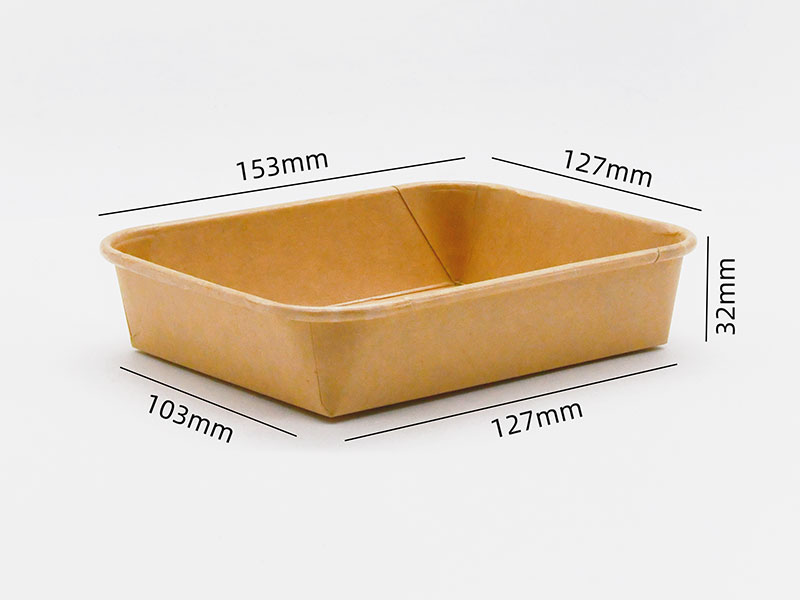
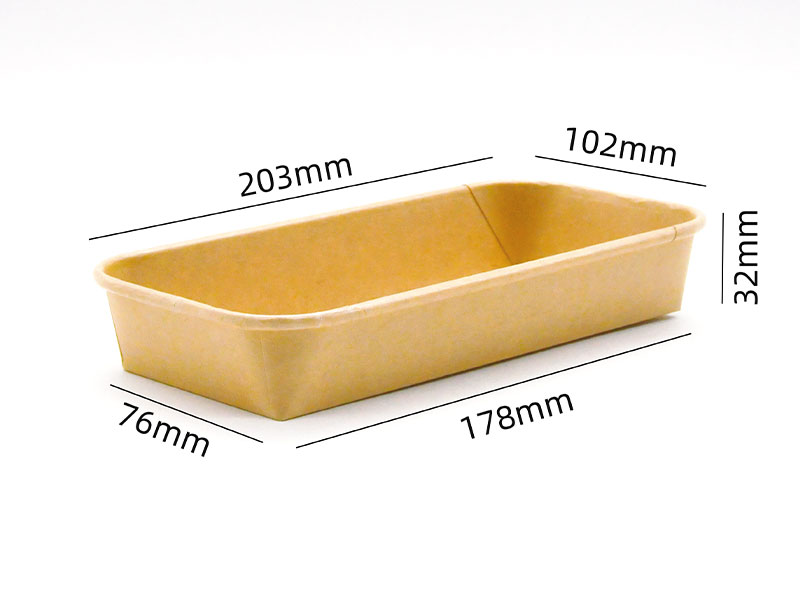
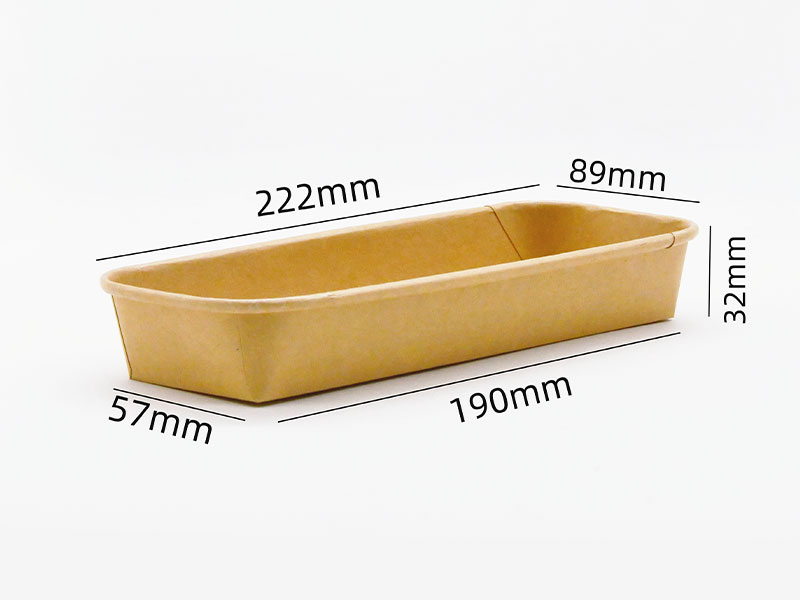
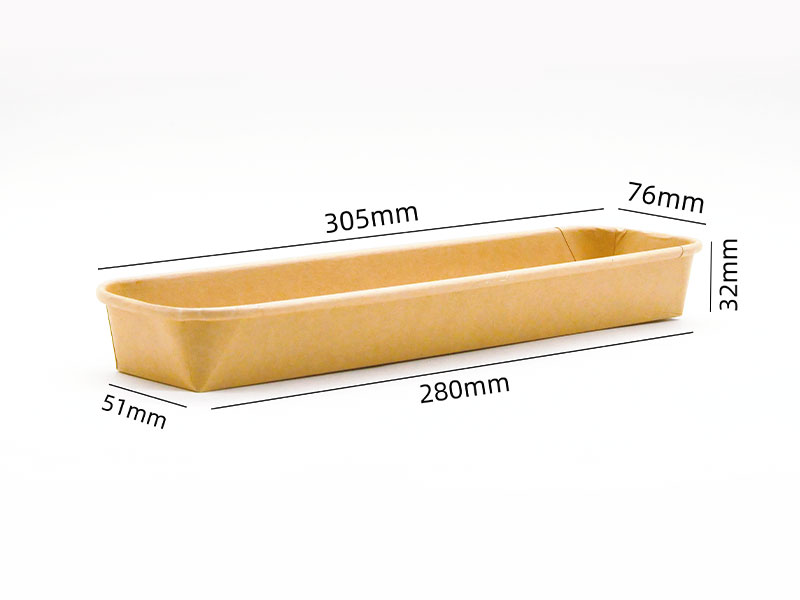
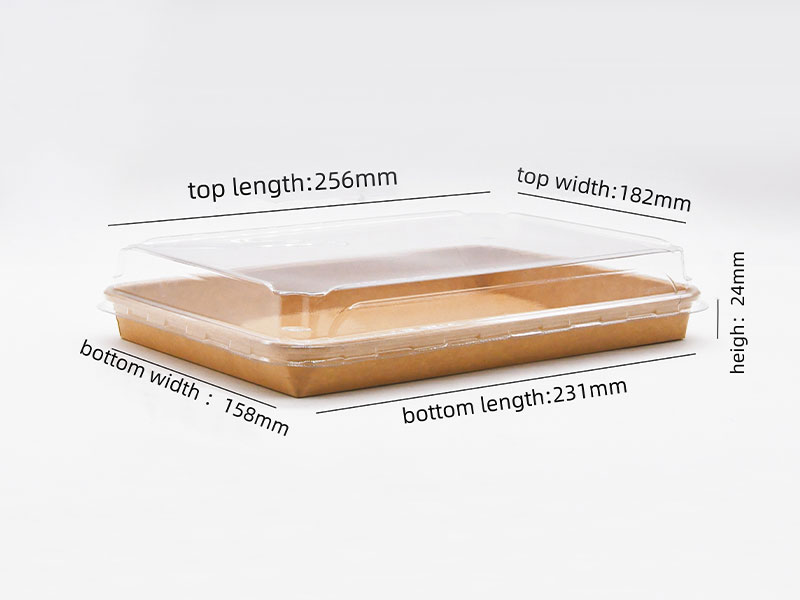
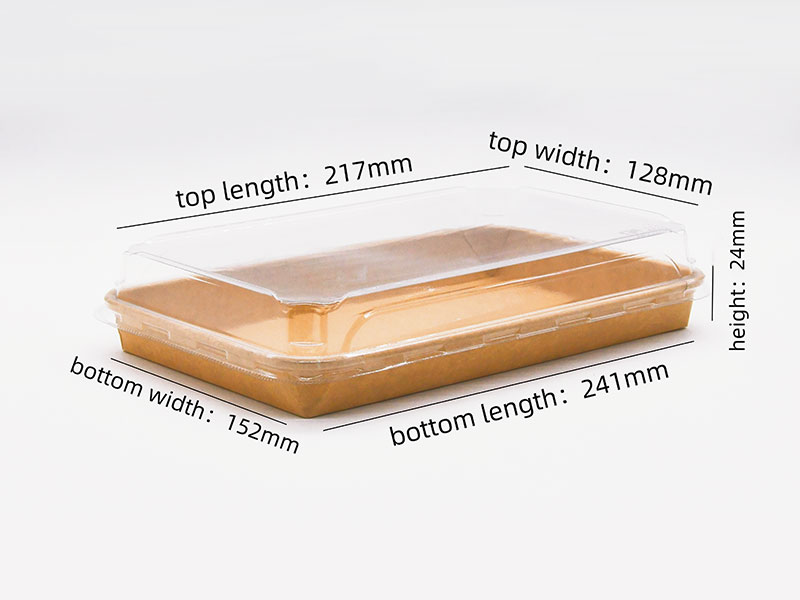
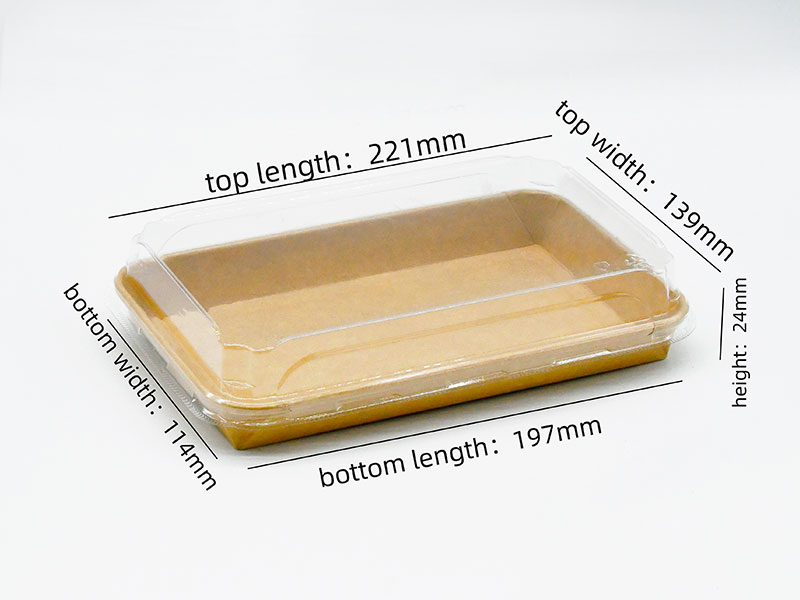
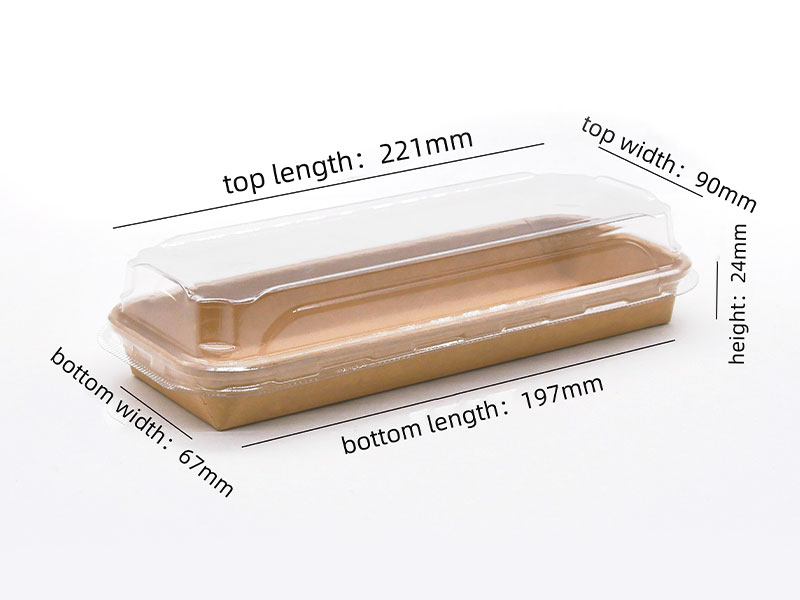
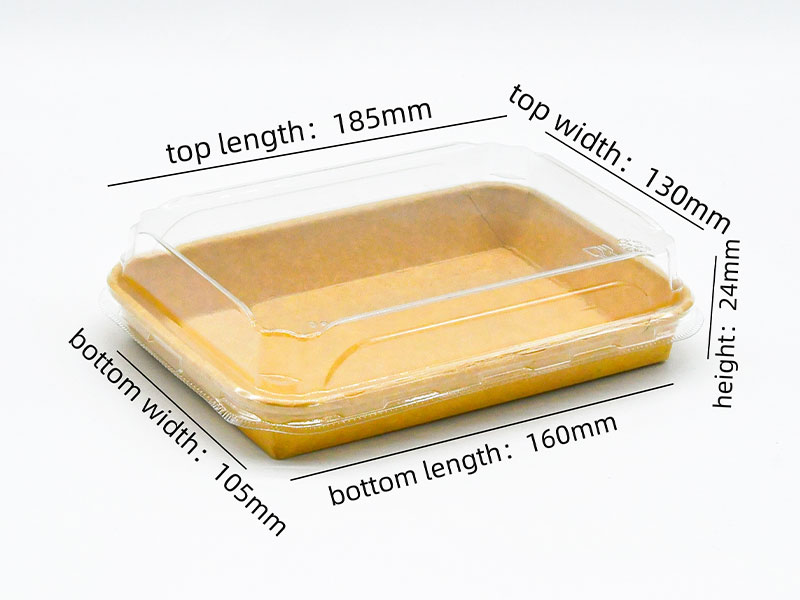
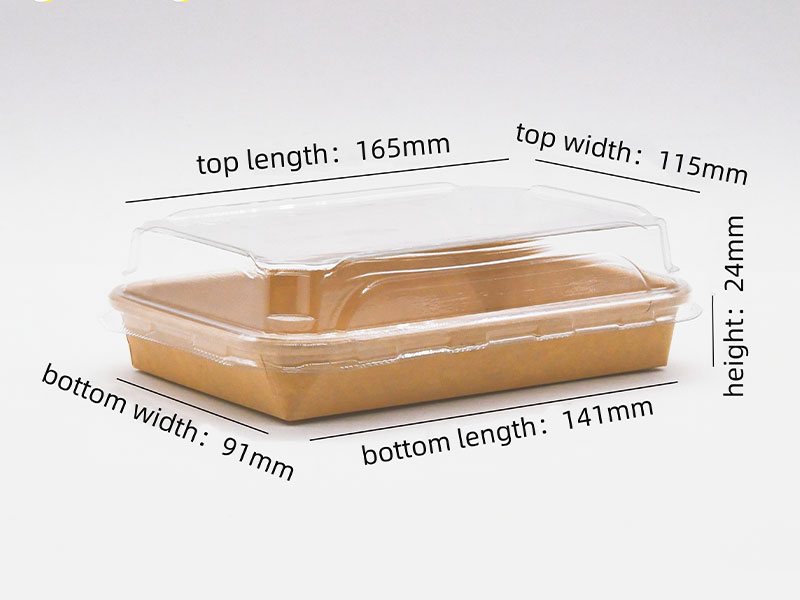
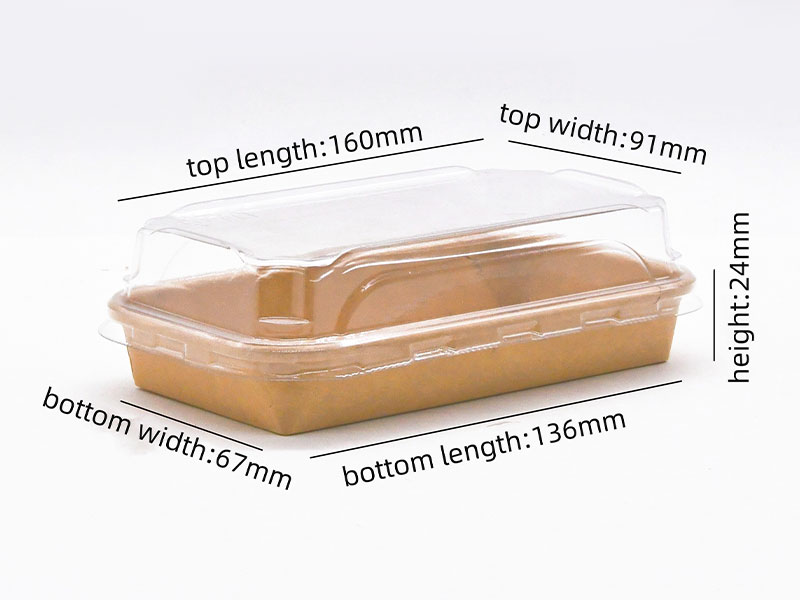
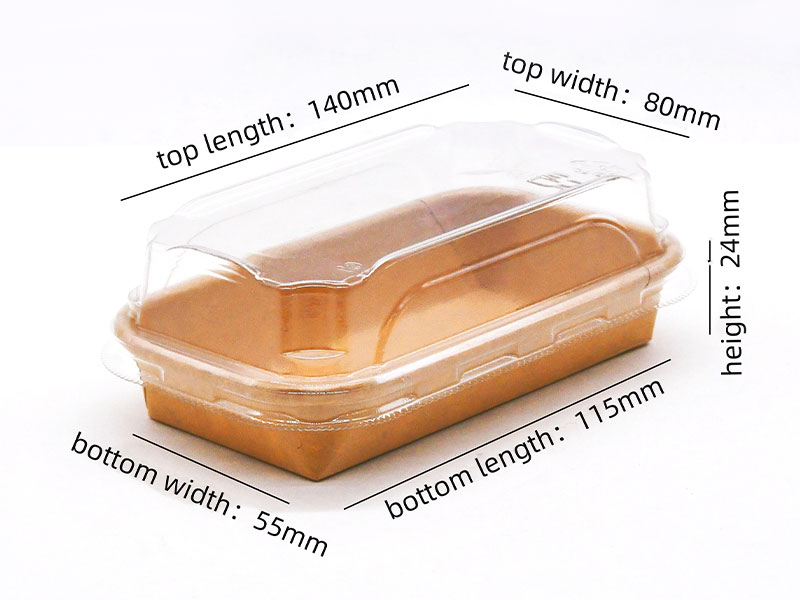



Jiangyin Ruihesheng Paper Products Co., Ltd. manufactures roll edged paper food trays at our Wuxi, Jiangsu production base, where we have run food-grade paper packaging lines since 2004. The rolled rim defines this family: the paperboard edge is turned back on itself to stiffen the tray wall, so the tray keeps its shape under a loaded portion and stays comfortable in the hand. We supply these trays as a ROLL EDGED PAPER FOOD TRAY manufacturer working to OEM and ODM briefs, from a 175 ml snack tray through to 925 ml sharing formats.
Range at a glance: twelve standard rolled-edge formats from 175 ml to 925 ml, food-safe recyclable paperboard, flexographic or UV printing, and tooling for custom rim diameters, wall depths and compartment layouts.
What We Manufacture in the Roll Edged Paper Food Tray Range
The rolled-edge construction sits inside our wider PAPER FOOD TRAY programme, alongside the FLANGE EDGED PAPER FOOD TRAY and the PAPER FOOD TRAY WITH LID. Each construction answers a different handling problem: the flange edge gives a wide sealing surface, the lidded tray closes for delivery, and the rolled edge gives hoop stiffness without adding board weight.
Standard capacities run from 175 ml to 925 ml. Capacity figures below are nominal fill volumes; final top diameter, base diameter and wall height are confirmed against your portion and packing pattern before tooling is cut.
| Format | Nominal capacity | Positioned for |
|---|---|---|
| JBTP-01 | 175 ml | Small-portion snacks, sampling, condiment service |
| JBTP-011 | 240 ml | Hot snacks where improved insulation matters |
| JBTP-021 | 340 ml | Multi-occasion service across day parts |
| JBTP-031 | 350 ml | Distinctive rolled-rim presentation |
| JBTP-051 | 435 ml | Higher load-bearing portions |
| JBTP-153 | 450 ml | Strong stability for high-stack counter handling |
| JBTP-203 | 450 ml | Recyclability-led packaging programmes |
| JBTP-305 | 450 ml | Leak-resistant sauces and moist sides |
| JBTP-222 | — | Corrosion resistance against greasy and acidic foods |
| JBTP-071 | 580 ml | Versatile mid-size portions |
| JBTP-091 | 720 ml | Biodegradable-focused service lines |
| JBTP-111 | 925 ml | Large-portion and sharing trays |
Rolled Edge Construction and Material Selection
We cut the board to blank size, die-cut and form the tray body, print, then bond and assemble on auto-gluing lines. The rim diameter, wall height and base radius come from the forming die, so a change in rim profile is a tooling decision rather than a printing change.
- Board: food-safe paperboard, with FSC certified fibre available across the range.
- Barrier: our sustainable material line runs without PE or PLA plastic coating, using algae barrier technology for grease and moisture resistance.
- End-of-life: mono-material paper construction supports recycling routes, with industrial composting certification available on the sustainable line.
- Inks: water-based inks as standard, with plant-based ink options for brand programmes.
- Food contact: the rolled rim keeps fingers away from the food surface, which suits fried snacks, pastries, wings and street food.
Application Fit Across Food Service Formats
Rolled-edge trays are chosen where a portion has to travel a short distance and still look presentable on arrival. The rim carries the load, so the tray can be picked up one-handed from a counter, a pass or a carrier bag without the wall bowing.
- Quick-serve and takeaway: 340–580 ml formats for chips, nuggets and side portions.
- Fried snacks and wings: 435–720 ml with grease-resistant board and a leak-resistant option for sauce contact.
- Street food and festivals: 175–350 ml single-portion trays that stack flat for mobile setups.
- Bakery and pastry counters: 240–450 ml trays for donuts, pastries and small bakes.
- Sharing and family service: 925 ml trays for mixed fried platters and group orders.
- Covered service: rolled-edge trays can be paired with paper or plastic lids from our dining accessories range for delivery and display.
Critical Specifications We Confirm Before Tooling
Every rolled-edge project is fixed against a short specification sheet before a die is cut. These are the values that determine whether the tray performs on your line and in your customer's hand.
- Nominal fill volume and usable depth below the rim
- Top outside diameter, base diameter and wall height
- Rim diameter and rim roundness after forming
- Board caliper and grammage, matched to portion weight
- Nesting pitch and stack height per sleeve or carton
- Grease and moisture resistance target for the intended holding time
- Print area, colour count and registration tolerance
- Packed carton count, pallet pattern and outer carton board grade
Printing, Branding and Surface Finishing
We print on flexographic and UV presses, which covers both high-volume repeat work and shorter branded runs. Artwork is checked against the flat blank before plates are made, because the rolled rim consumes part of the printable area once the tray is formed.
- Single-sided or double-sided printing
- Spot colour or four-colour process work
- Water-based ink systems for food-contact packaging
- Hot stamping, partial UV, embossing and laminating for premium presentation
- Free structural design and rendering, followed by physical sampling before mass production
Quality Control and Acceptance
Production follows a ten-stage route: raw material procurement, incoming material inspection, paper cutting, die-cutting and forming, printing, die-cutting and moulding, bonding and assembly, finished-goods inspection, packaging, then warehousing and logistics. Incoming pulp, laminating materials and inks are inspected against production standards before release to the line.
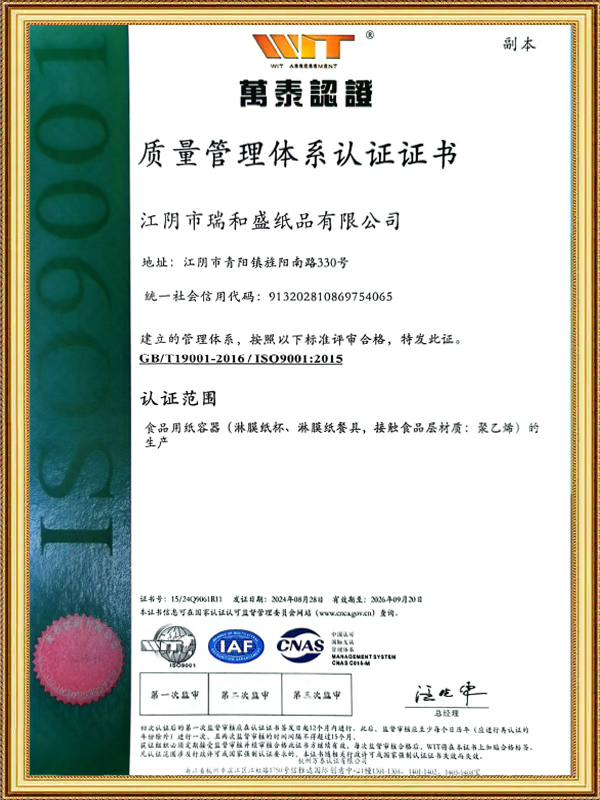
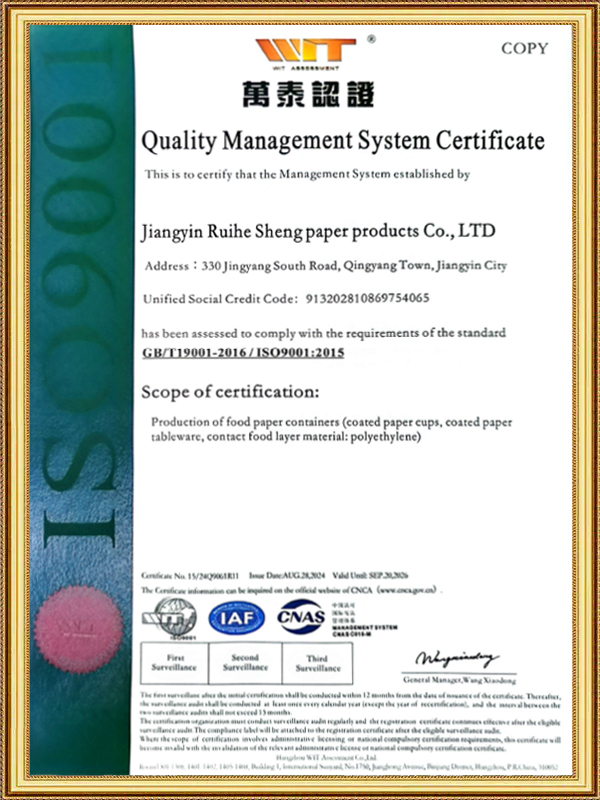
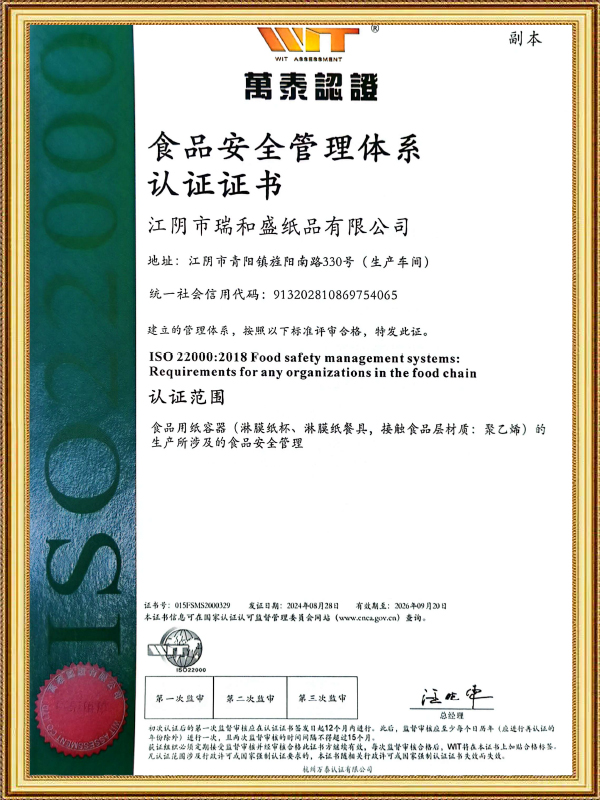
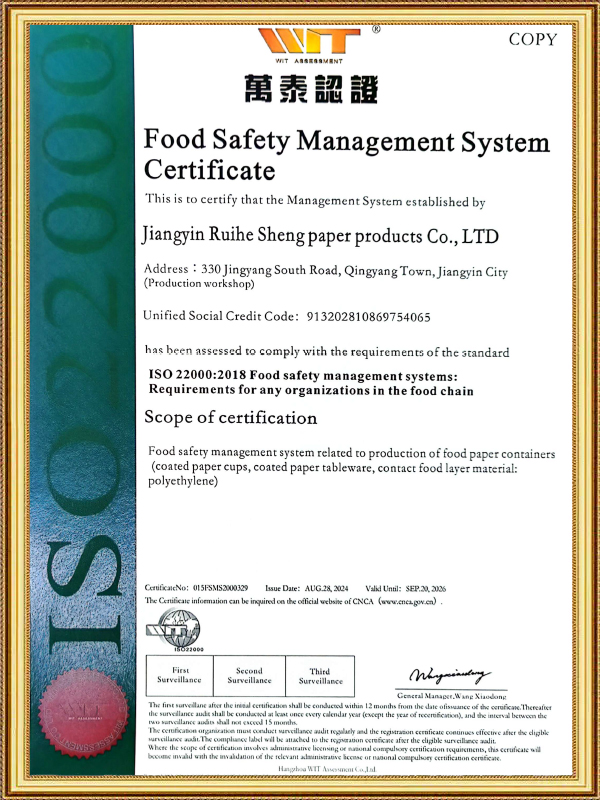
Finished trays are checked for dimensions, structural strength and print quality. Our quality system is certified to ISO9001, ISO22000, FSC, BRC and SGS, and we hold SABER, SYDEX, IAF and CNAS accreditations. Documentation for a specific order is issued with the batch, and we can agree an acceptance checklist with you before the first shipment.
Information We Use to Configure Your Solution
A quotation from our factory is built from the working point, not from a catalogue number alone. The inputs below are what we need to select the closest standard format or design a new die.
| Project input | What it determines |
|---|---|
| Portion format and target fill volume | Blank size, wall height and rim diameter |
| Food type, fat and acid content | Board grade and barrier selection |
| Holding time and serving temperature | Insulation and grease-resistance requirement |
| Stacking, carrier and transport pattern | Rim rigidity and nesting tolerance |
| Artwork, colour count and coverage | Flexo or UV route, plate count, print area |
| Order volume and repeat pattern | Tooling plan and production scheduling |
| Compliance target for the market | FSC, ISO22000, BRC or composting documentation |
| Packing and pallet format | Sleeve or polybag count, carton size, pallet pattern |
Packaging, Delivery and Supply Continuity
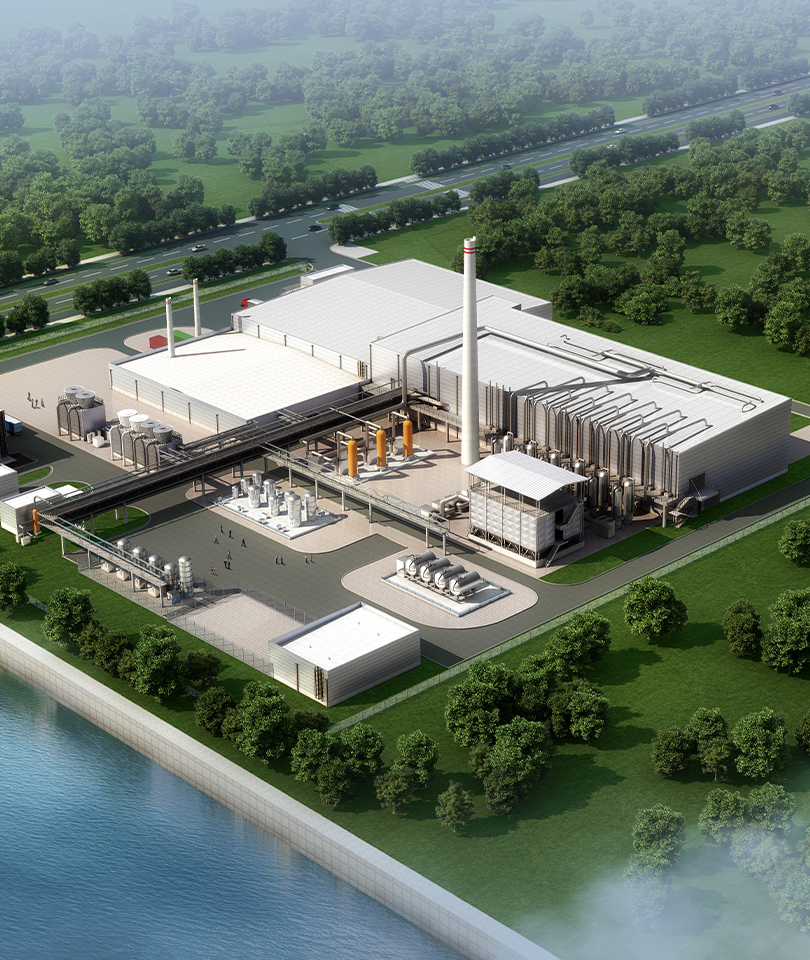
Our 15,000 m² facility runs more than 100 automated machines across paper boxes, cups, bowls, corrugated containers and multi-compartment trays, with annual capacity in the billions of units. Trays are packed to the agreed carton and pallet pattern, then stored and allocated by order before logistics are arranged.
We export to the USA, France, Sweden, Japan, South Korea, Singapore and other markets. Repeat orders run against the retained die and the approved sample, so the second shipment matches the first. Spare tooling and replacement forming dies are held for active programmes.
Frequently Asked Questions
What capacities can you produce in rolled-edge trays?
Our standard moulded formats cover 175 ml, 240 ml, 340 ml, 350 ml, 435 ml, 450 ml, 580 ml, 720 ml and 925 ml. Custom volumes are developed from a new forming die when a standard format does not match your portion.
Are the trays suitable for hot, greasy food?
Yes. The rolled rim adds stiffness and the board is selected for grease resistance, which suits fried snacks, wings, pastries and street food. For long holding times or sauce-heavy portions we recommend the leak-resistant 450 ml format or a barrier upgrade.
Can you print our brand on the tray?
We print single-sided or double-sided on flexographic and UV presses, in spot colour or four-colour process, using water-based inks. Hot stamping, partial UV, embossing and laminating are available for premium finishes, and we supply a physical sample before mass production.
Which certifications apply to this range?
Our quality and food safety systems are certified to ISO9001, ISO22000, FSC, BRC and SGS, with SABER, SYDEX, IAF and CNAS accreditations held alongside. Industrial composting certification is available on the sustainable material line.
Do you work on OEM and ODM projects?
We do. Our team handles structural design, rendering and sampling, then carries the project through to mass production, so a new tray shape or compartment layout can be developed alongside your packaging brief.
What do you need to prepare a quotation?
Send the portion format, food type, holding time, target volume, artwork status, order volume and packing preference. With those inputs we can confirm the closest standard format or quote a new die, together with board grade, print route and carton configuration.
